
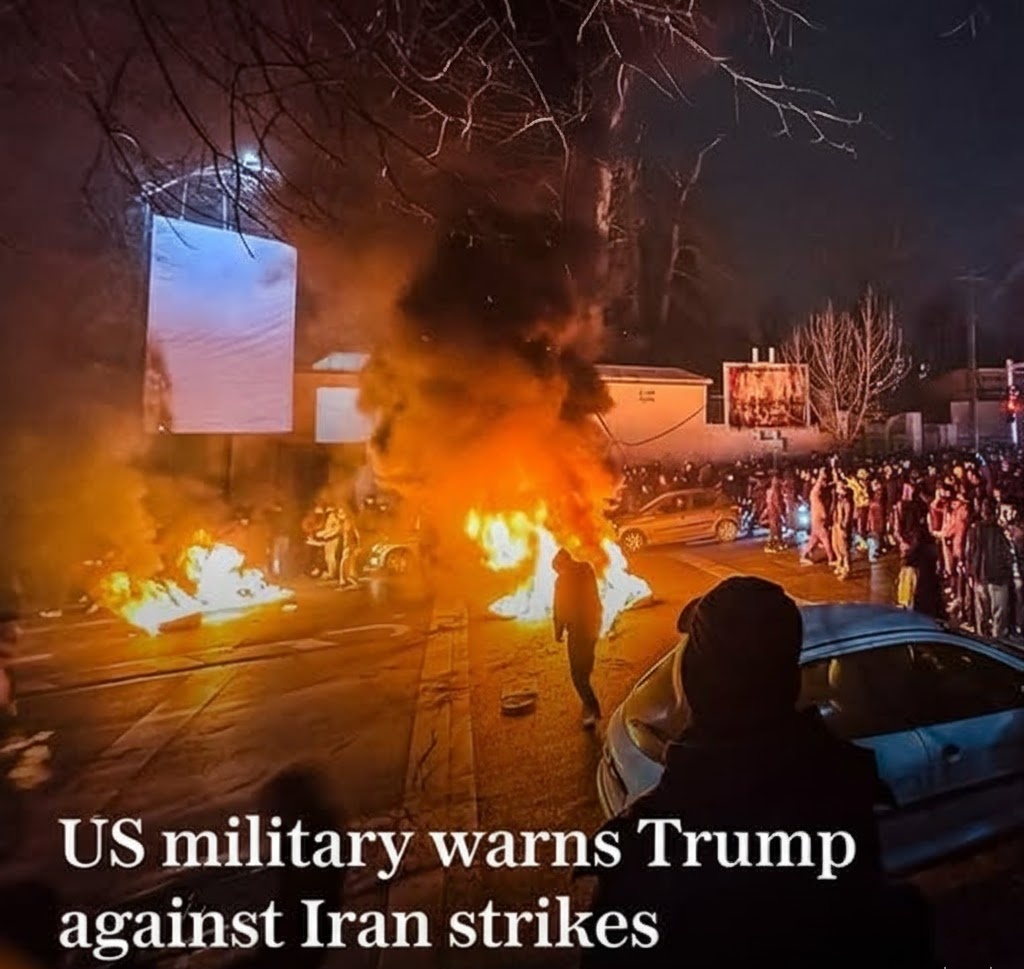
Amid growing instability in Iran and escalating diplomatic tensions between the United States and the Islamic Republic of Iran, a significant message has emerged from international reporting: the US military has warned President Donald Trump that American forces need more time before any military action against Iran can be carried out.
Tensions between Washington and Tehran have intensified in recent days following a wave of widespread protests across major Iranian cities, driven by economic hardship, social unrest, and a harsh government crackdown. Reports indicate that dozens of people have been killed during the demonstrations, while Iranian authorities have imposed strict controls on information, surveillance, and public gatherings.
Against this backdrop, President Trump has publicly criticized Iran’s leadership, voiced support for protesters, and warned Tehran against further violence. Some of his remarks have been interpreted as signaling potential US intervention should the situation continue to deteriorate.
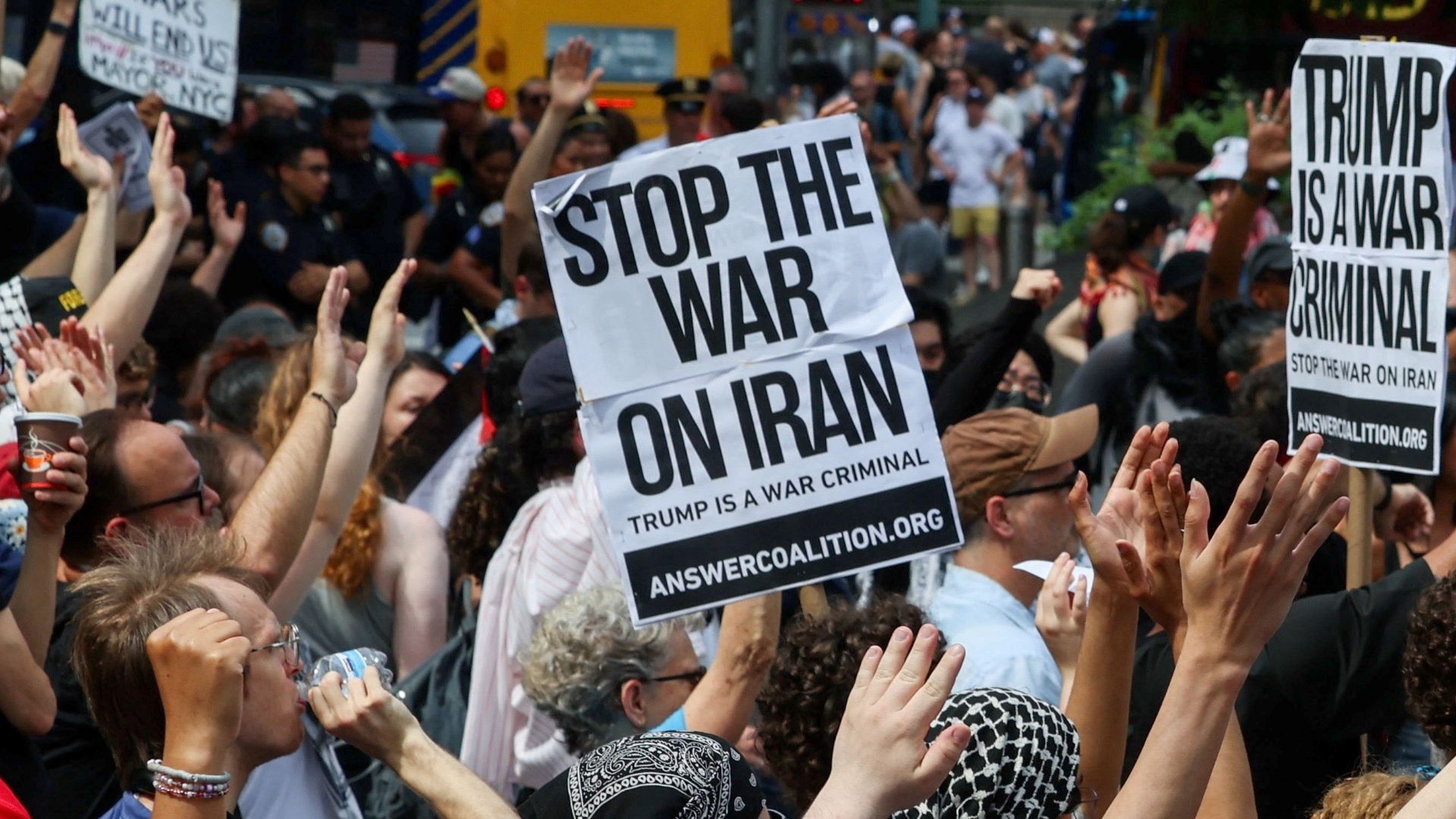
However, according to the latest reports, senior US military officials — including Pentagon leadership and top generals — have advised that now is not the right time for military strikes against Iran. They argue that the armed forces require additional time to prepare, assess risks, and develop viable operational plans should action be ordered. Military leaders are reportedly concerned that any premature attack could trigger a large-scale regional escalation with severe security consequences.
These warnings come as Iranian officials have issued their own threats, stating that any US attack would be met with retaliation. Tehran has reportedly identified US and Israeli assets as legitimate targets in the event of military action. Such statements have heightened fears that a direct confrontation could rapidly spiral into a broader Middle East conflict.
International analysts suggest that any final decision on military intervention will depend on several factors, including the intensity of unrest inside Iran, reactions from the global community, and potential risks to US troops and regional allies. A hasty intervention, they warn, could provoke a strong Iranian response and further destabilize an already volatile region.
The international response has so far been cautious. Several governments and global institutions have urged restraint, emphasizing that diplomatic and political solutions should take priority amid Iran’s internal crisis. Any US military move would place allies in a difficult position, forcing them to balance support for Washington with concerns about escalating regional instability.
Meanwhile, protests inside Iran continue despite heavy security measures and aggressive crackdowns, keeping global attention firmly fixed on the country. Many observers view the US military’s call for caution as a sign that senior defense leaders recognize the significant risks involved in entering a direct conflict with Iran at a time of deep internal turmoil.
In summary, while President Trump may be weighing his options regarding Iran, America’s top military commanders are urging restraint, stressing that the United States is not yet prepared for military action and warning that a rushed decision could carry unpredictable and far-reaching international consequences.