

Luka Dončić is in the midst of one of the most impressive individual seasons in modern NBA history. His statistical output borders on the unreal: elite scoring, consistent playmaking, and the ability to carry an entire offensive system night after night. His performances often leave fans asking a simple question—are we still watching a normal player? Yet despite this level of dominance, Luka continues to sit at the center of skepticism and debate, with recognition that often lags behind his undeniable impact.
From a numbers standpoint, Luka Dončić has nothing left to prove. He ranks among the league leaders in nearly every major offensive metric, from scoring to usage rate to clutch efficiency. Forty- and fifty-point outings have become routine rather than spectacular. By traditional standards, this type of production should make him an automatic, no-debate selection for the All-NBA First Team.
So why does the doubt persist?
One major reason lies in evaluation criteria that struggle to keep pace with reality. For years, NBA analysts have favored team record, defensive versatility, and athletic explosiveness when weighing individual honors. Dončić’s methodical, calculated style—less about speed and highlight athleticism and more about control—often draws criticism, particularly regarding his defense, despite the enormous offensive burden he carries on every possession.

Ironically, Luka may also be a victim of his own greatness. When a player consistently operates at an elite, even historic level, expectations rise to an almost unreasonable standard. A 30-point night from Dončić can be dismissed as ordinary, while the same performance from another star would be celebrated. His extraordinary output has been normalized, subtly reducing the perceived value of what should be historically appreciated performances.
Media narratives play a crucial role as well. Modern NBA coverage is driven not just by performance, but by storytelling. New faces, emerging MVP candidates, and market-friendly archetypes often receive heightened attention. Despite being a global superstar, Dončić does not always fit the league’s prevailing narrative at a given moment, which can influence how his season is framed and discussed.
Team success is another recurring sticking point. The Dallas Mavericks are not consistently positioned near the top of the standings, leading some critics to question Luka’s ability to elevate an entire roster. This argument, however, has long been contested, as NBA history shows that generational talents are not always placed in ideal situations early in their careers.
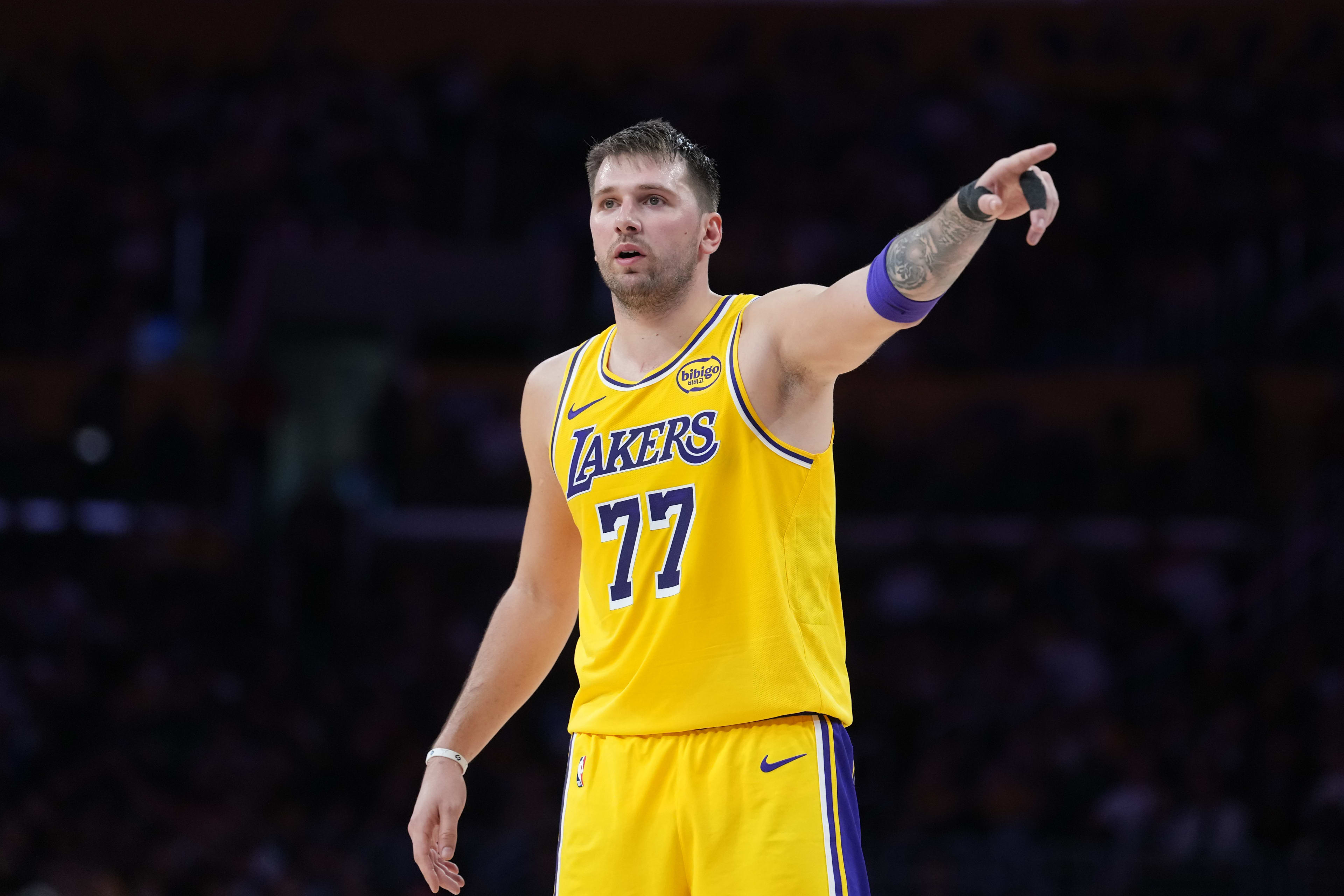
When viewed through a historical lens, what Luka Dončić is accomplishing at his age is exceptionally rare. Compared to legends at similar stages, his offensive responsibility, skill diversity, and statistical dominance place him firmly among the elite, if not ahead of schedule.
Ultimately, the issue is no longer whether Luka Dončić is great enough. The real question is whether the NBA’s current standards of evaluation are equipped to fully recognize a player who consistently challenges conventional limits. When someone rewrites expectations as often as Luka does, skepticism does not always reflect a lack of quality—it can also reveal an industry struggling to adjust to a new benchmark of greatness.
That paradox is what makes Luka Dončić one of the most outstanding, yet most debated, superstars in today’s NBA.