
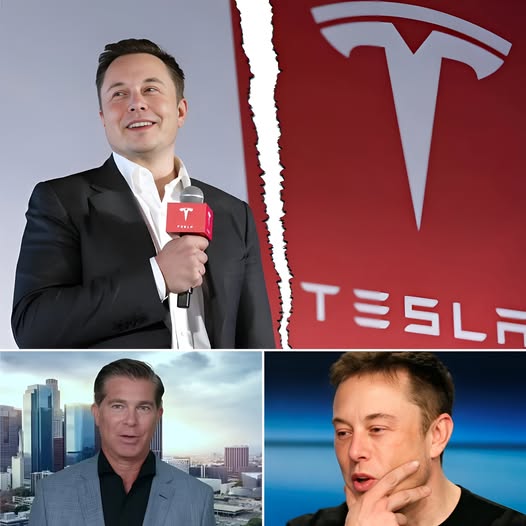
Tesla was once seen as a global symbol of technological innovation and the future of the electric vehicle industry. However, in recent months, the company’s public image has come under increasing scrutiny as controversies surrounding Elon Musk continue to intensify. A growing number of investors are now openly expressing concern, with some even suggesting that it may be time for Tesla to consider a future without Musk as its chief executive.
The core issue is not Tesla’s technology or its products, but rather its leadership image. Elon Musk is well known for his unconventional management style, strong personality, and controversial social media presence. In the past, these traits helped shape his reputation as a bold, visionary entrepreneur. Today, however, as Tesla has evolved into a large-scale corporation under constant investor and market pressure, the same behavior is increasingly viewed as a source of risk.
Investors argue that Musk’s personal controversies are overshadowing Tesla’s business strategy. The company’s stock has shown heightened volatility, market confidence has weakened, and questions are being raised about Musk’s ability to remain fully focused on Tesla while simultaneously running other major ventures such as SpaceX, X (formerly Twitter), and xAI. This growing list of commitments has fueled concerns that Tesla is no longer receiving his undivided attention.
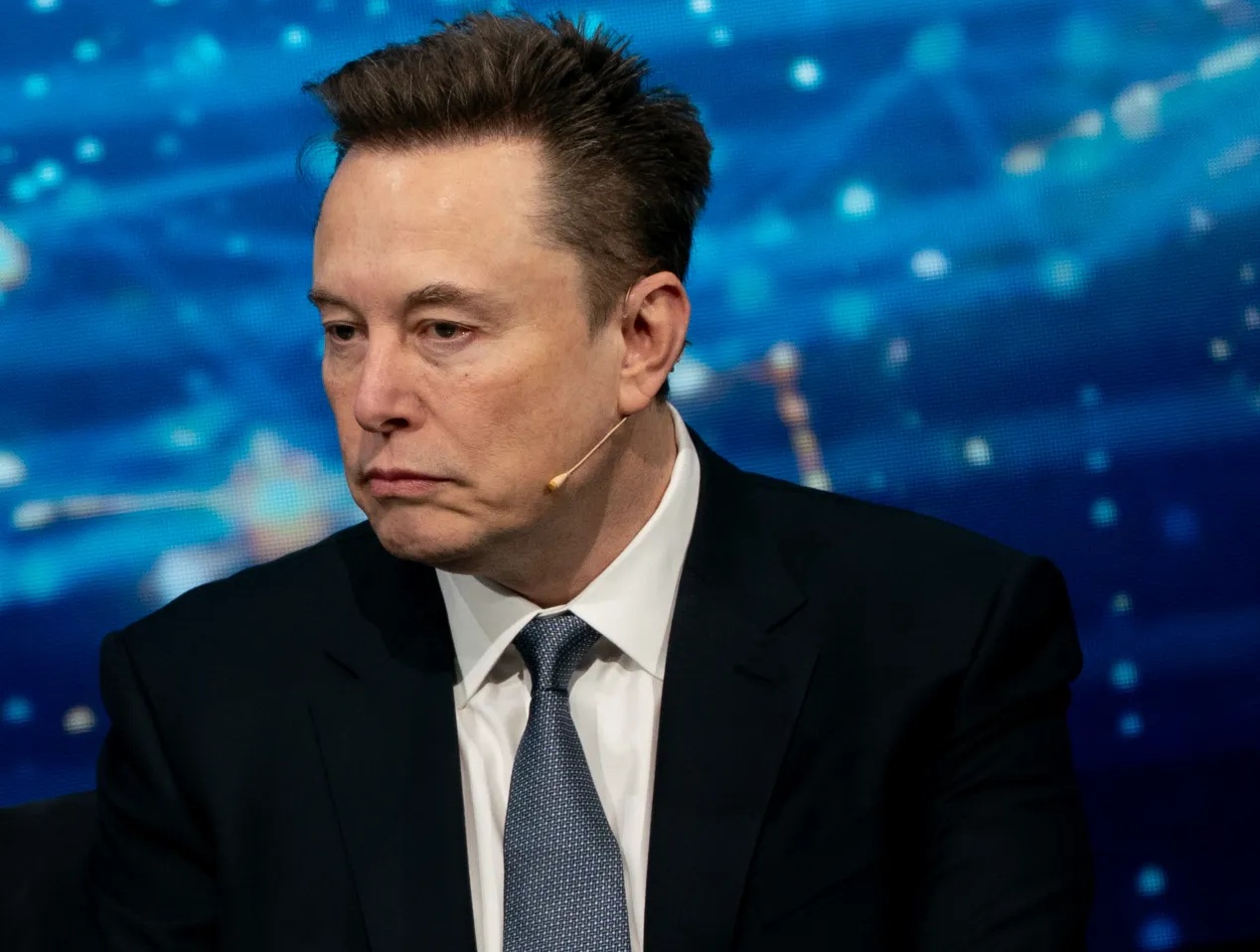
Some analysts point out that as Tesla enters a more mature phase of growth, the company may now require a more traditional, stability-focused leadership approach. At this stage, investors often favor executives who prioritize corporate governance, long-term planning, and disciplined communication over high-profile personal branding. As a result, the once-unthinkable idea of a “post–Elon Musk Tesla” is now being discussed more seriously within financial circles.
That said, Elon Musk’s role in Tesla’s success remains undeniable. From its early days marked by skepticism to its rise as the world’s leading electric vehicle manufacturer, Musk’s vision and persistence have been central to the company’s trajectory. Any potential departure from the CEO position would represent a major shock—not only for Tesla, but also for the broader technology and electric vehicle sectors.
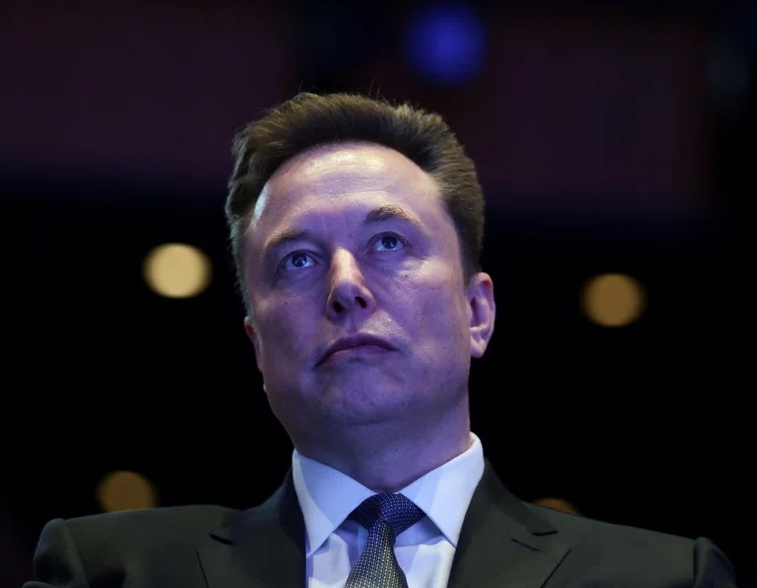
At present, there has been no official move or decision from Tesla’s board regarding a leadership change. Much of the surrounding discussion remains speculative, reflecting investor anxiety amid broader market uncertainty rather than confirmed developments. Nonetheless, the fact that such conversations are becoming more prominent suggests that pressure on Musk is real and growing.
Looking ahead, how Elon Musk manages his public image and demonstrates continued commitment to Tesla may prove decisive in restoring investor confidence. Whether he remains CEO or not, the debate surrounding Musk’s future at Tesla has clearly entered a new phase—one in which public perception, corporate governance, and shareholder trust are just as important as technological innovation.