
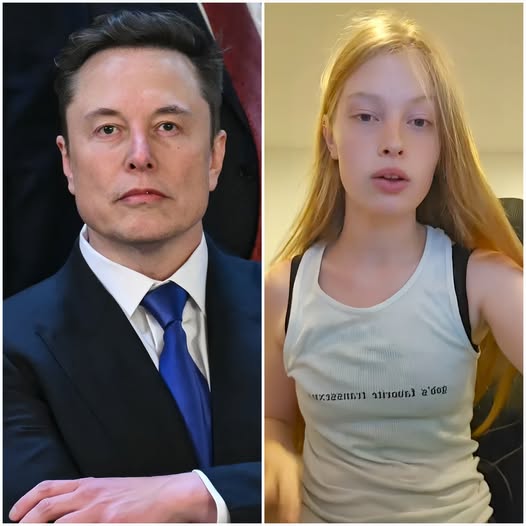
A recent statement by Elon Musk has ignited a fierce global backlash after he said that his transgender daughter had been “killed” by what he calls the “woke mind virus.” The stark and provocative language immediately split public opinion, turning a deeply personal family conflict into a flashpoint in the broader culture war.
Musk later clarified that the word “killed” was not meant literally, but as a metaphor for the complete collapse of his relationship with his child. According to him, “woke” ideology severed the bond between father and daughter, leading her to cut off all contact and reject their familial connection. Musk framed the situation as an irreversible emotional loss, choosing deliberately extreme language to convey the depth of that pain.
The daughter referenced is Vivian Wilson, who previously filed legal documents to change her name and publicly stated that she no longer wished to “live with or be related to my biological father in any way, shape or form.” Court filings and past statements indicate that the estrangement had been developing for years, rather than resulting from a single incident.
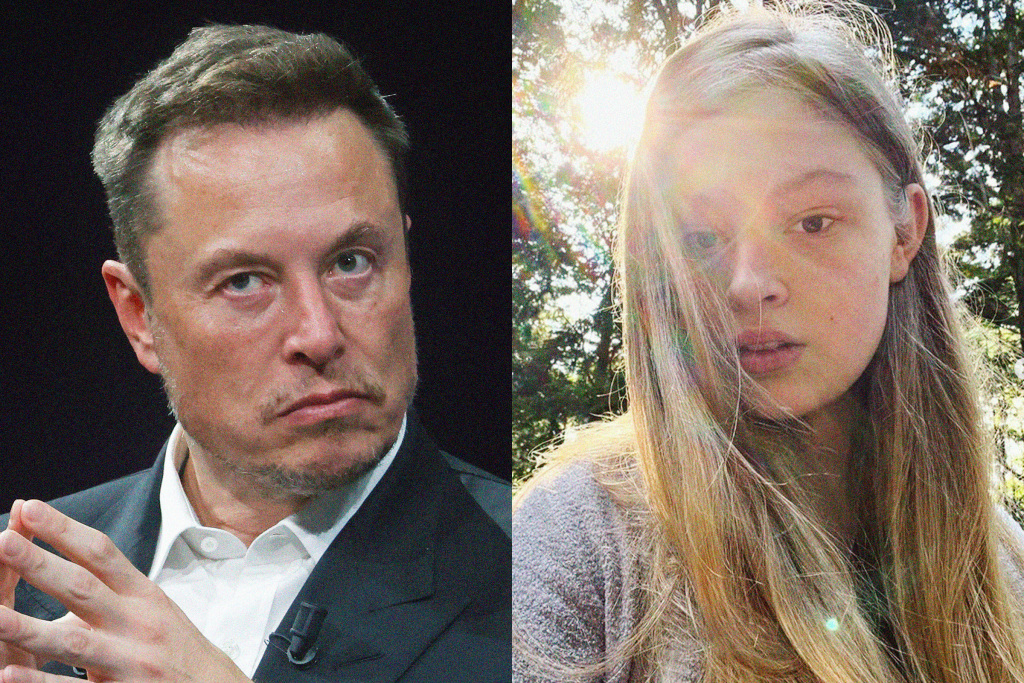
What has fueled the controversy most sharply is Musk’s decision to link this family breakdown to the concept of a “woke mind virus.” The phrase has become central to his broader criticism of progressive ideas surrounding gender identity, social justice, and modern cultural norms. Supporters of Musk argue that his words reflect the anguish of a father who believes ideological pressure destroyed his family. To them, Musk is expressing what many feel but are afraid to say publicly.
Critics, however, see the statement very differently. LGBTQ+ advocates and civil rights organizations have condemned the language as harmful and inflammatory, arguing that describing a transgender person as having been “killed” contributes to dehumanization and reinforces stigma. They contend that Musk is weaponizing a private family matter to advance a political narrative, at the expense of an already vulnerable community.
The controversy is intensified by Musk’s enormous global influence. As one of the most powerful and visible figures in the technology world, his comments reach hundreds of millions of people and shape public discourse far beyond his personal circumstances. In this case, the line between personal grief and ideological messaging appears blurred, raising concerns about the broader impact of such rhetoric.
Observers note that the debate is less about the factual details of Musk’s family situation and more about what the episode symbolizes. For some, it represents a father grappling with loss and alienation. For others, it is an example of how cultural and political battles increasingly intrude into private lives, turning personal pain into public ammunition.
Regardless of perspective, Musk’s remarks have once again exposed deep fractures within contemporary society—over gender identity, parental rights, personal autonomy, and the limits of public speech. Whether interpreted as a cry of pain or a statement that crossed ethical boundaries, the fallout demonstrates how emotionally charged language, when delivered by a figure of immense power, can ignite global controversy.
Ultimately, the episode underscores how the ongoing “woke” debate has moved beyond abstract ideology and into the most intimate spaces of human life. In doing so, Elon Musk’s words have ensured that this family dispute will be remembered not merely as a private conflict, but as another defining moment in the wider cultural divide shaping modern discourse.