
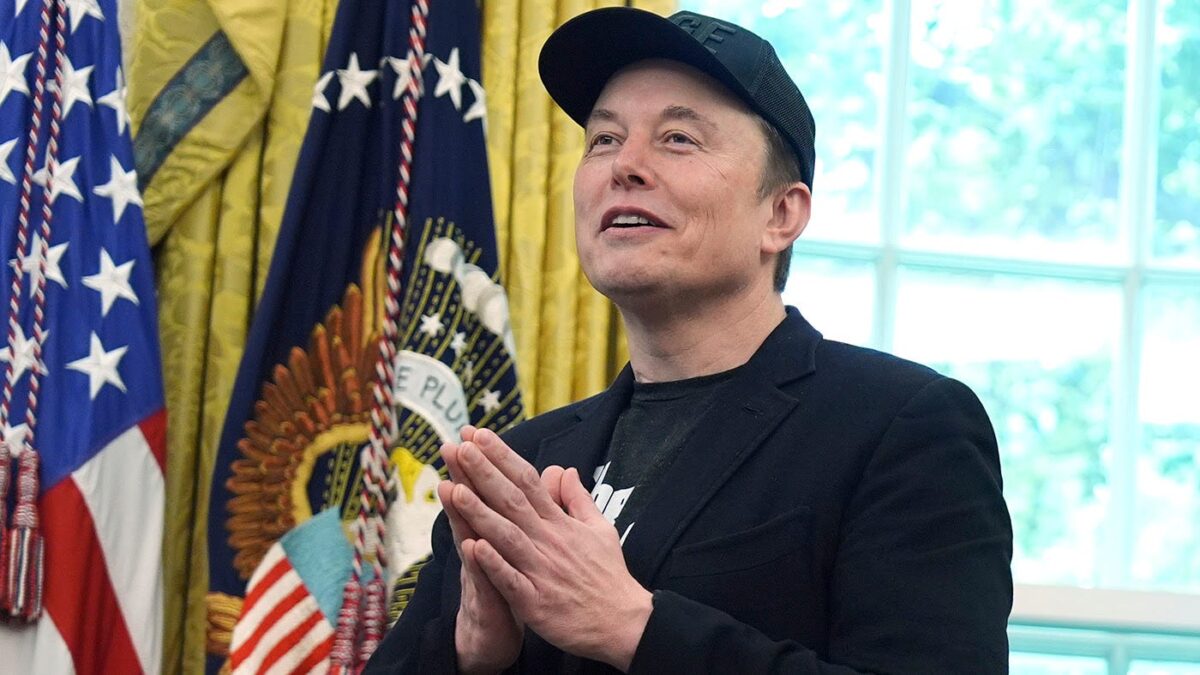
After a period of keeping his distance from the political arena, Elon Musk is sending a clear signal that he is diving back into U.S. politics. This move has quickly drawn public attention, especially as the United States heads toward the 2026 midterm elections—a pivotal moment that could reshape the balance of power in Washington.
No longer limited to sporadic statements on social media, Musk’s return this time appears more organized and strategic. Reports of renewed political donations suggest that he is not merely expressing personal opinions, but is prepared to directly influence policy debates and the broader political process. With his existing reach across technology, finance, and media, every move Musk makes carries the potential for significant ripple effects.
In recent years, Musk has frequently spoken out on issues such as free speech, artificial intelligence, energy, space exploration, and the role of government in regulating technology. While these views have often sparked controversy, they have also helped him cultivate a loyal base of supporters. His re-entry into the “power game” is widely seen as the next step in turning personal influence into tangible political weight.

Political observers note that Musk is not aiming to run for public office. Instead, he appears focused on operating behind the scenes—funding campaigns, shaping public opinion, and supporting policies aligned with his long-term vision. This approach mirrors the path taken by many powerful U.S. business figures, allowing them to exert broad influence without the pressures and legal constraints of electoral politics.
Still, Musk’s return has raised concerns. Critics argue that a tech billionaire with vast media influence becoming deeply involved in politics could blur the line between economic power and state power. As a result, debates around transparency, accountability, and the concentration of influence are expected to intensify in the coming months.
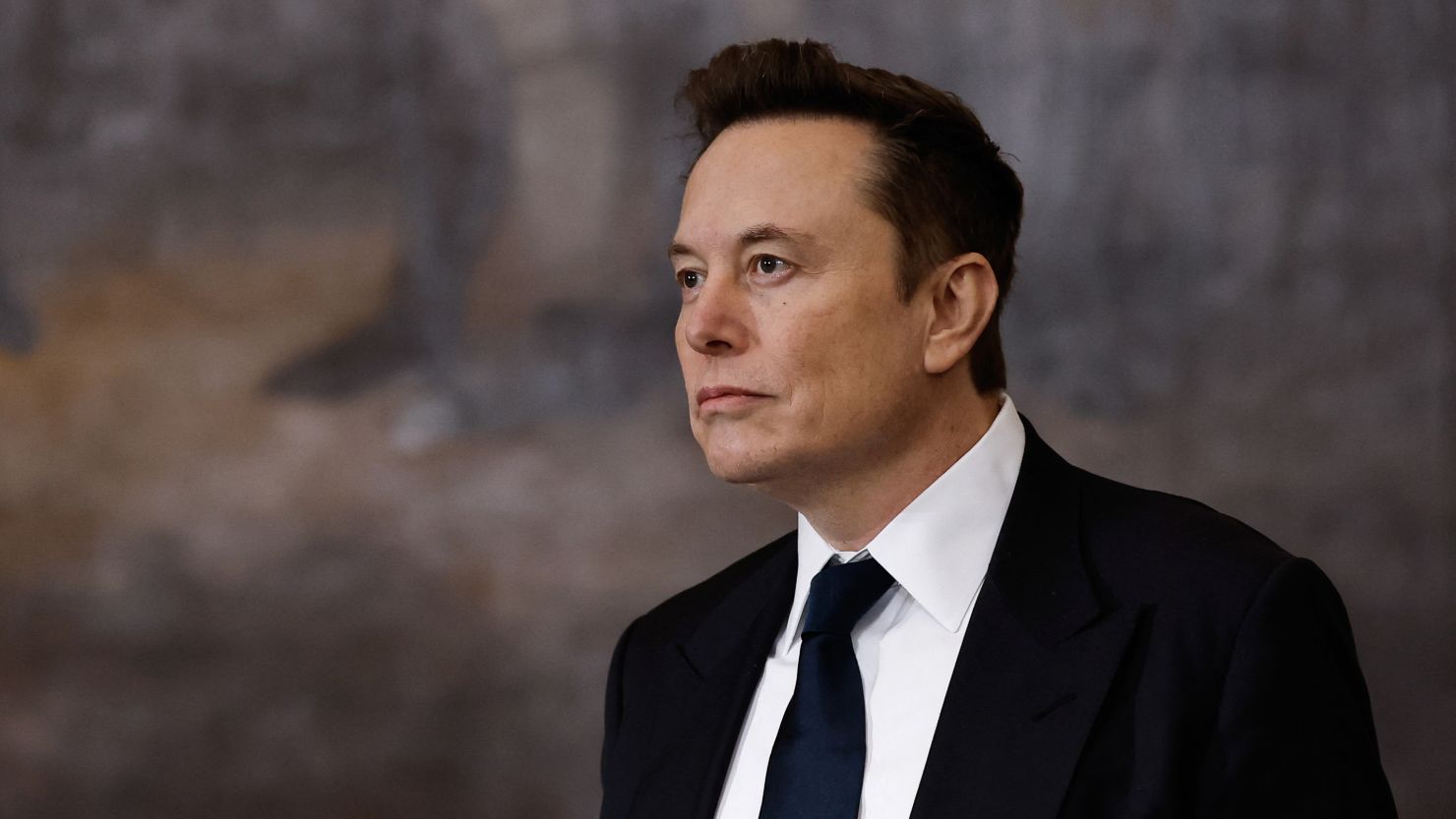
Supporters, however, see Musk as a disruptive force capable of injecting fresh thinking into a political system often criticized for lagging behind the pace of technological and social change. They believe his involvement could push more substantive discussions about economic innovation, future industries, and America’s position in an increasingly competitive global landscape.
Regardless of perspective, Elon Musk’s official return to the U.S. power game is set to remain a major topic of discussion. In an era where the boundaries between technology, media, and politics continue to blur, Musk’s actions reflect not only personal ambition but also a deeper shift in how power is formed and exercised in the United States.