
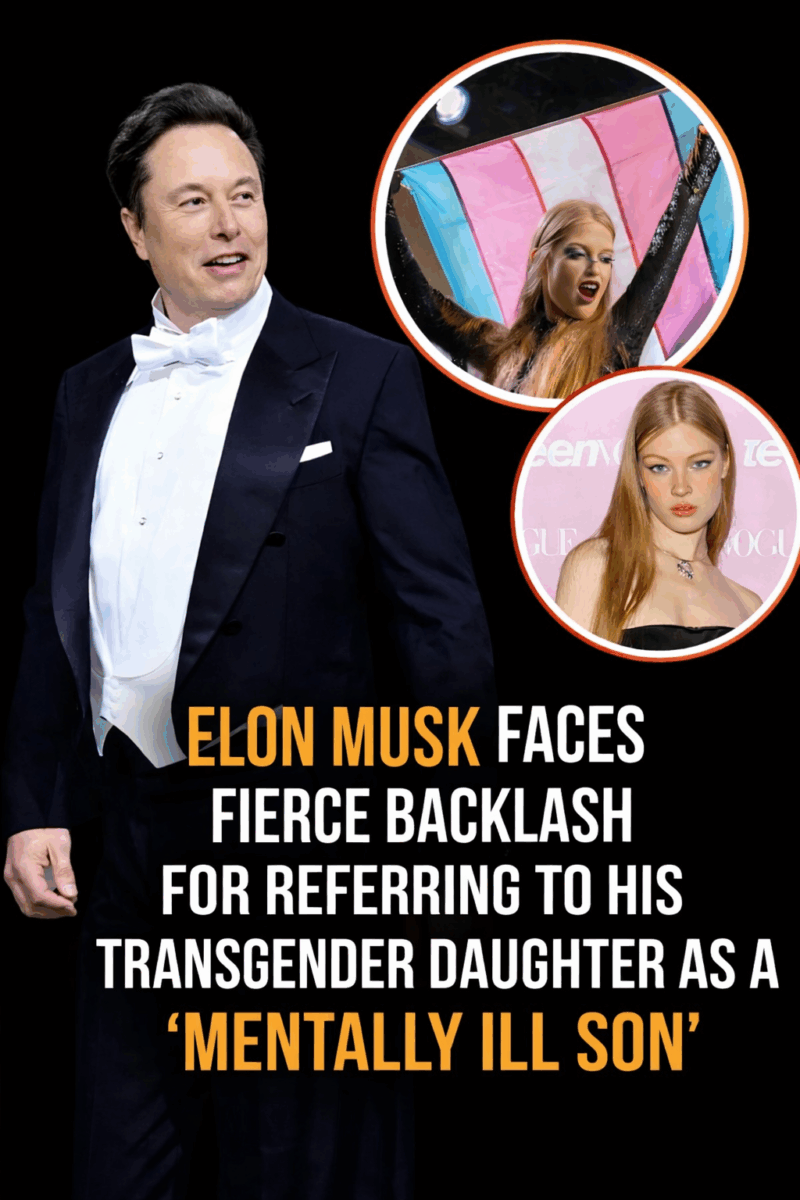
Elon Musk, billionaire tech mogul and owner of the social media platform X, is facing intense criticism following controversial remarks regarding his transgender daughter, Vivian Wilson. The incident quickly spread across social media and international media outlets, sparking heated debate over transgender rights, parental responsibility, and the fine line between personal opinions and public statements made by influential figures.
According to multiple reports, during a public exchange on the platform X, Elon Musk allegedly referred to his transgender daughter as a “mentally ill son.” The remarks were also said to include deadnaming and misgendering Vivian Wilson—actions widely regarded by the LGBTQ+ community as deeply disrespectful. The backlash was swift, with thousands of users condemning Musk for using language considered harmful and demeaning, especially toward his own child.
Vivian Wilson is the child of Elon Musk and his former wife, Justine Wilson. In previous years, Vivian publicly announced her decision to legally change her name and distance herself from her father, stating that she no longer wished to be associated with him in any way. These past revelations have led many observers to believe that the relationship between father and daughter has been strained for some time, and that Musk’s latest comments have further intensified the rift.
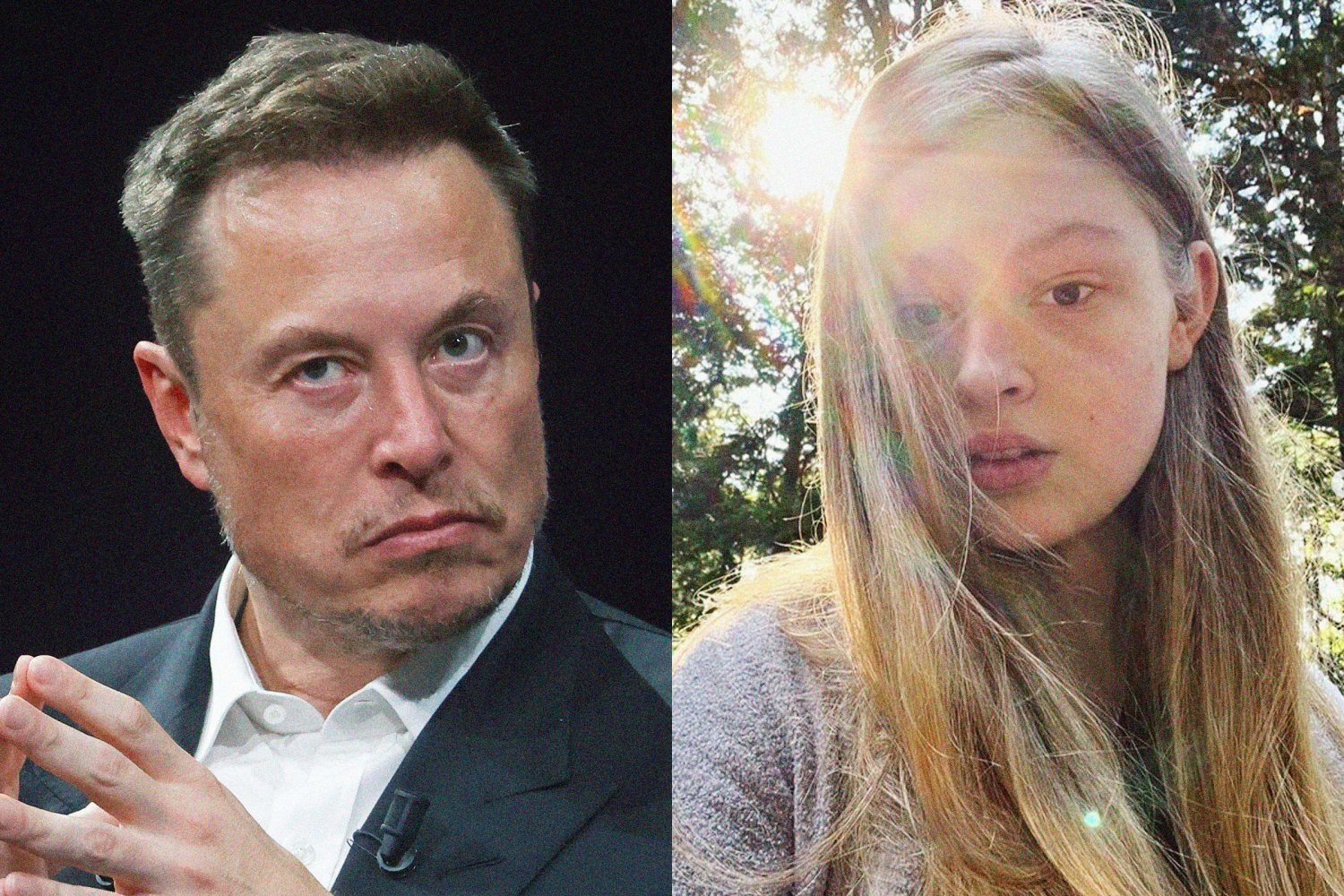
Public reaction has been sharply divided. Many social media users and LGBTQ+ advocates have spoken out in defense of transgender rights, arguing that Musk’s remarks reinforce harmful stereotypes and stigmatization. Critics warn that labeling gender transition as a “mental illness” can have damaging consequences, particularly for transgender youth who already face high levels of discrimination and psychological pressure.
Several advocacy groups emphasized that such language, when coming from a globally influential figure like Musk, risks normalizing intolerance and misinformation. They argue that public figures carry a heightened responsibility, as their words can shape public attitudes and embolden hostile behavior toward marginalized communities.
On the other hand, some individuals have defended Musk, asserting that he was expressing a personal viewpoint as a parent and should not be silenced for holding controversial beliefs. Supporters of this view argue that freedom of speech includes the right to voice unpopular or uncomfortable opinions. However, media analysts point out that when such views are expressed on a massive public platform, the personal nature of the opinion becomes secondary to its broader societal impact.
This controversy extends beyond a private family dispute, reflecting a broader cultural conflict surrounding gender identity, free speech, and social accountability. As discussions around transgender issues become increasingly polarized, statements made by high-profile individuals often act as catalysts for widespread public debate.
As of now, Elon Musk has not issued a clear apology or detailed clarification regarding the remarks. Nevertheless, the controversy continues to gain traction, suggesting that the discussion surrounding this issue is far from over.