
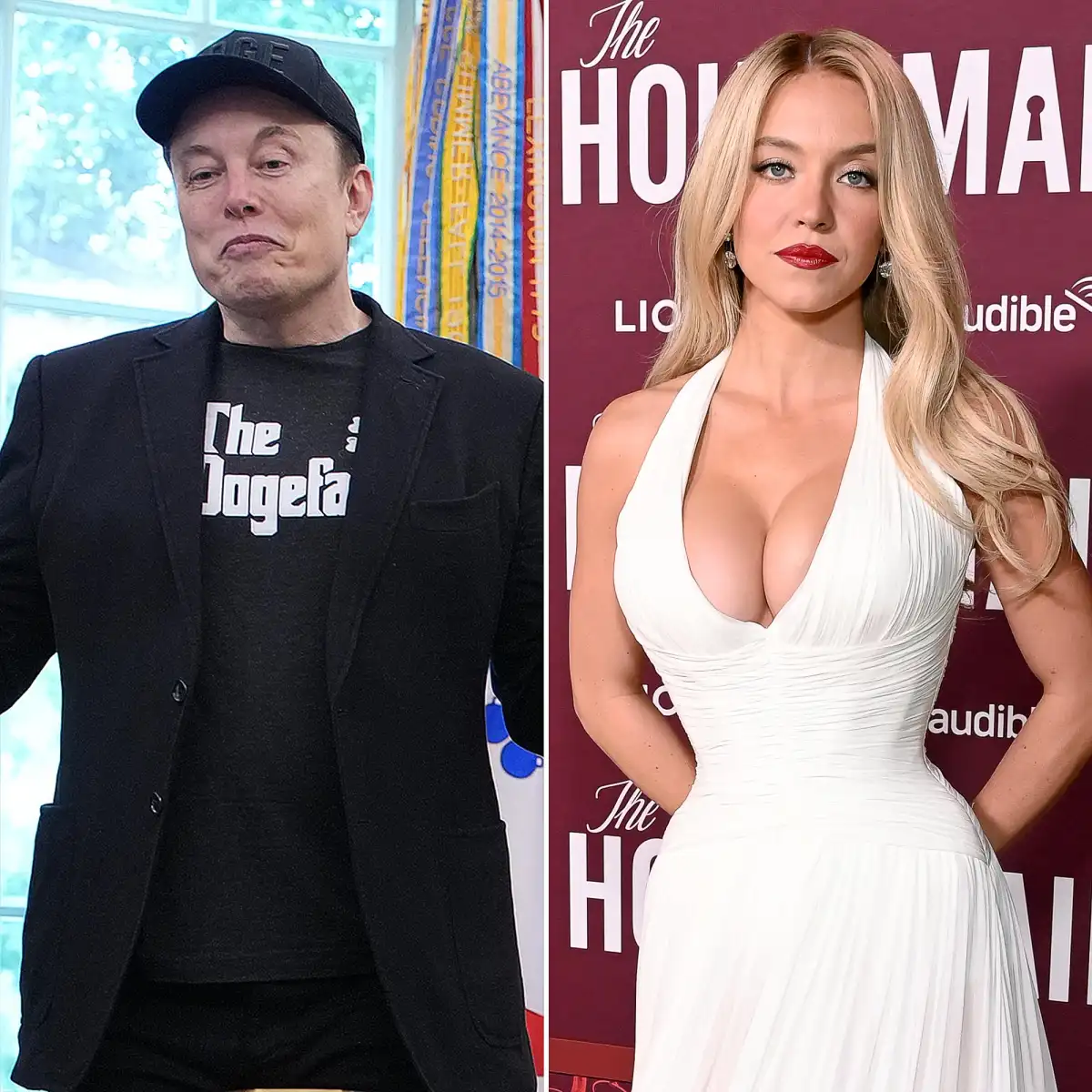
Elon Musk has once again found himself at the center of a social media firestorm after being accused of making an offensive joke involving actress Sydney Sweeney. The controversy erupted after Musk referenced the phrase “two balls” — wording many critics described as crude and inappropriate — sparking widespread outrage and renewed debate over the limits of humor, celebrity power, and respect toward women.
As the remark circulated online, social media quickly split into opposing camps. A large number of users condemned Musk, arguing that using the phrase “two balls” in reference to a female actress crossed a clear line. Many said the comment was not harmless humor, but a vulgar jab at physical appearance, particularly troubling given the intense scrutiny women in the entertainment industry already face regarding their bodies.
One widely shared comment read, “This isn’t clever humor — it’s cheap mockery.” Others emphasized that Musk’s immense influence makes the issue far more serious. As one critic noted, when someone with a global platform uses language like “two balls,” it doesn’t stay a private joke — it becomes a message amplified to millions, potentially normalizing objectification under the guise of humor.
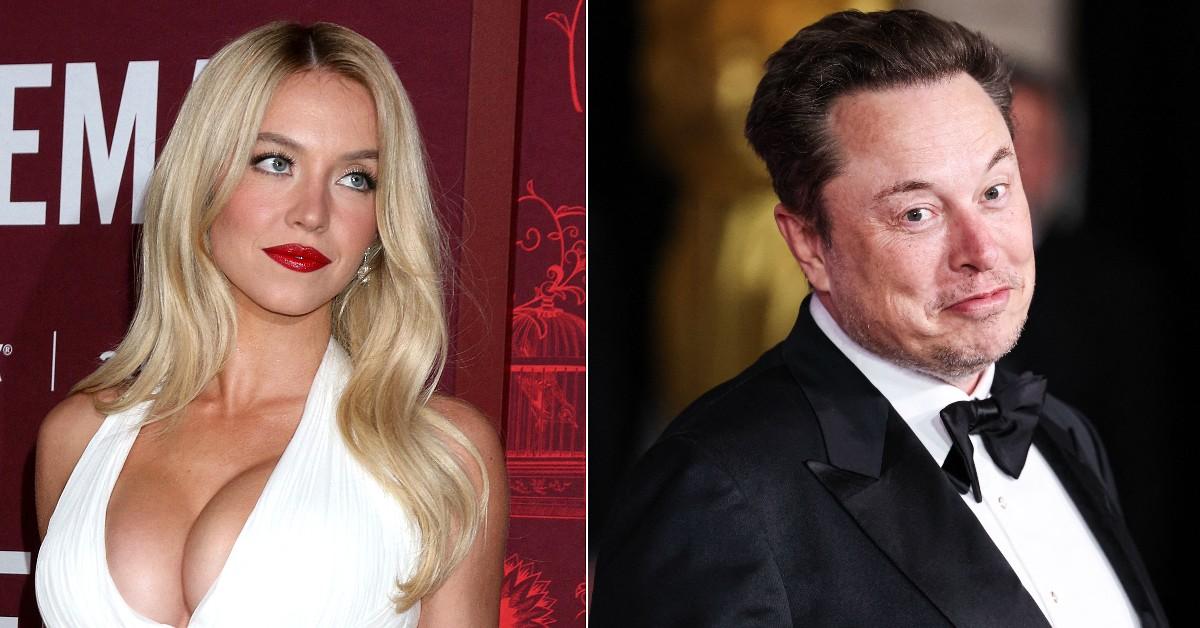
A smaller group of Musk supporters rushed to his defense, claiming the comment was simply part of his well-known provocative online persona and was being taken out of context. However, that argument was quickly challenged. Critics pointed out that the real issue lies in power and reach: when one of the world’s most influential figures makes such remarks, intent matters far less than impact.
Sydney Sweeney, the actress referenced in the controversy, has not issued a public response. Her silence, however, did little to calm the backlash. Instead, many argued it highlighted a broader pattern in which female celebrities are routinely dragged into public controversy without their consent, becoming targets of jokes, commentary, and judgment regardless of their involvement.
The incident has also reignited discussion around “shock humor” in the age of social media. Elon Musk has previously faced criticism for offhand or controversial remarks, but this case triggered a stronger reaction due to the explicit nature of the phrase “two balls” and its perceived sexist undertones. For many observers, the comment crossed from edgy humor into outright disrespect.

Media analysts have noted that public tolerance for humor based on humiliation or objectification is shrinking rapidly. In an era where conversations around gender equality and respect are increasingly prominent, remarks that might once have been dismissed as jokes are now scrutinized for the harm they may cause. For high-profile figures, every word carries amplified consequences.
As of now, Elon Musk has not issued an apology or clarification regarding the remark, and the backlash shows little sign of fading. For critics, the issue goes beyond a single joke. It raises a broader question: do powerful public figures fully understand the weight of their words in a hyper-connected digital world?
In a time when a single sentence can spread globally within seconds, the line between humor and insult has never been thinner. And for many observers, Musk’s “two balls” remark aimed at Sydney Sweeney is seen as another example of that line being crossed — once again placing the billionaire at the center of controversy over accountability and respect.