
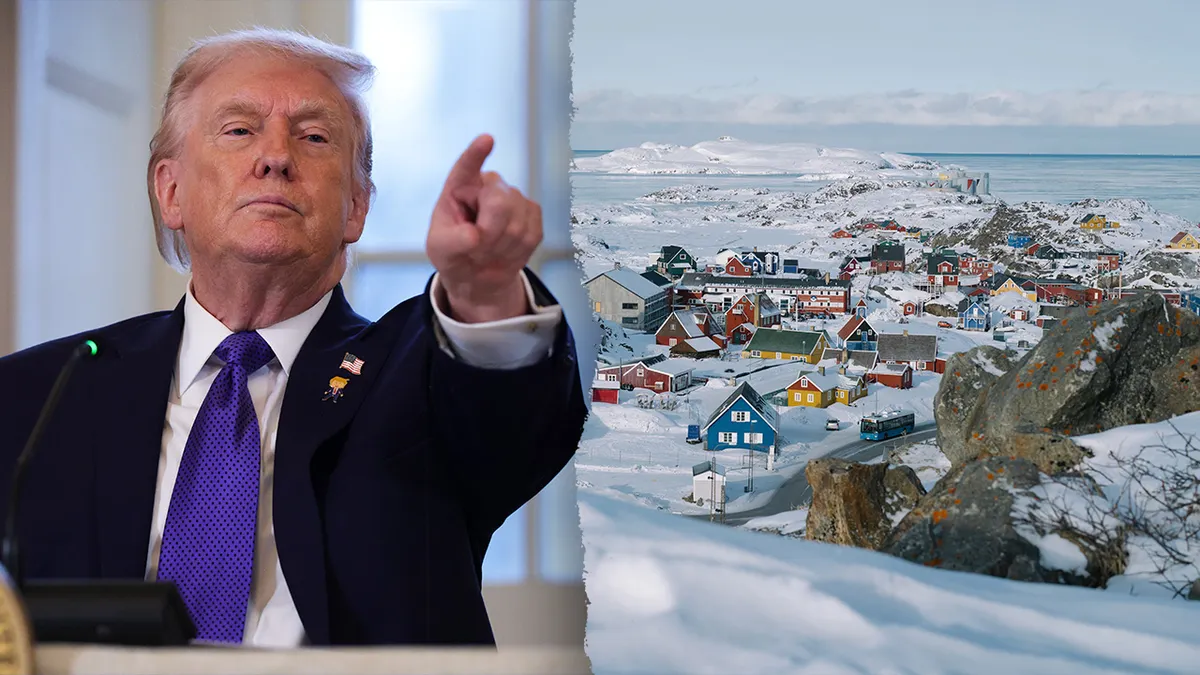
Donald Trump has once again drawn international attention after reaffirming his intention to control Greenland, the autonomous territory within the Kingdom of Denmark. In a new series of statements and posts, Trump emphasized that “there can be no going back,” signaling a firm stance and pushing the issue back into the center of diplomatic debate.
Greenland holds a uniquely strategic position in the Arctic, sitting along key maritime and military routes while also possessing significant natural resource potential. These factors have long attracted the interest of major powers. Trump’s repeated references to controlling Greenland are widely seen as part of a broader geopolitical vision tied to U.S. national security and influence in the Arctic region.
In his latest remarks, Trump argued that such a move would be necessary to protect America’s long-term interests, stressing that global developments are turning the Arctic into an increasingly competitive arena. However, the manner in which he has presented this position—particularly by taking it public with strong language—has sparked backlash from European partners and diplomatic circles.
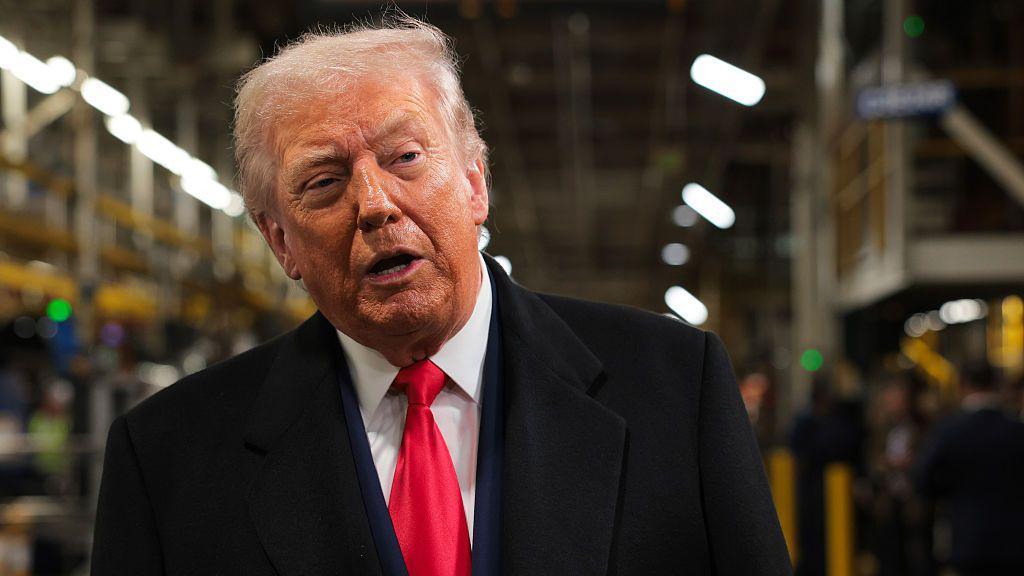
The Danish government has repeatedly stated that Greenland is not for sale and that sovereignty is not subject to negotiation. Greenland’s own leaders have underscored the island’s right to self-determination, insisting that any discussion about its future must center on the interests and voices of its local population. As a result, Trump’s decision to revive the issue is viewed as a direct challenge to established diplomatic norms.
Analysts suggest that Trump’s renewed emphasis on Greenland also carries domestic political implications. Tough rhetoric on sovereignty, security, and America’s global standing often resonates with segments of voters who favor nationalist policies and a strong U.S. leadership role on the world stage.
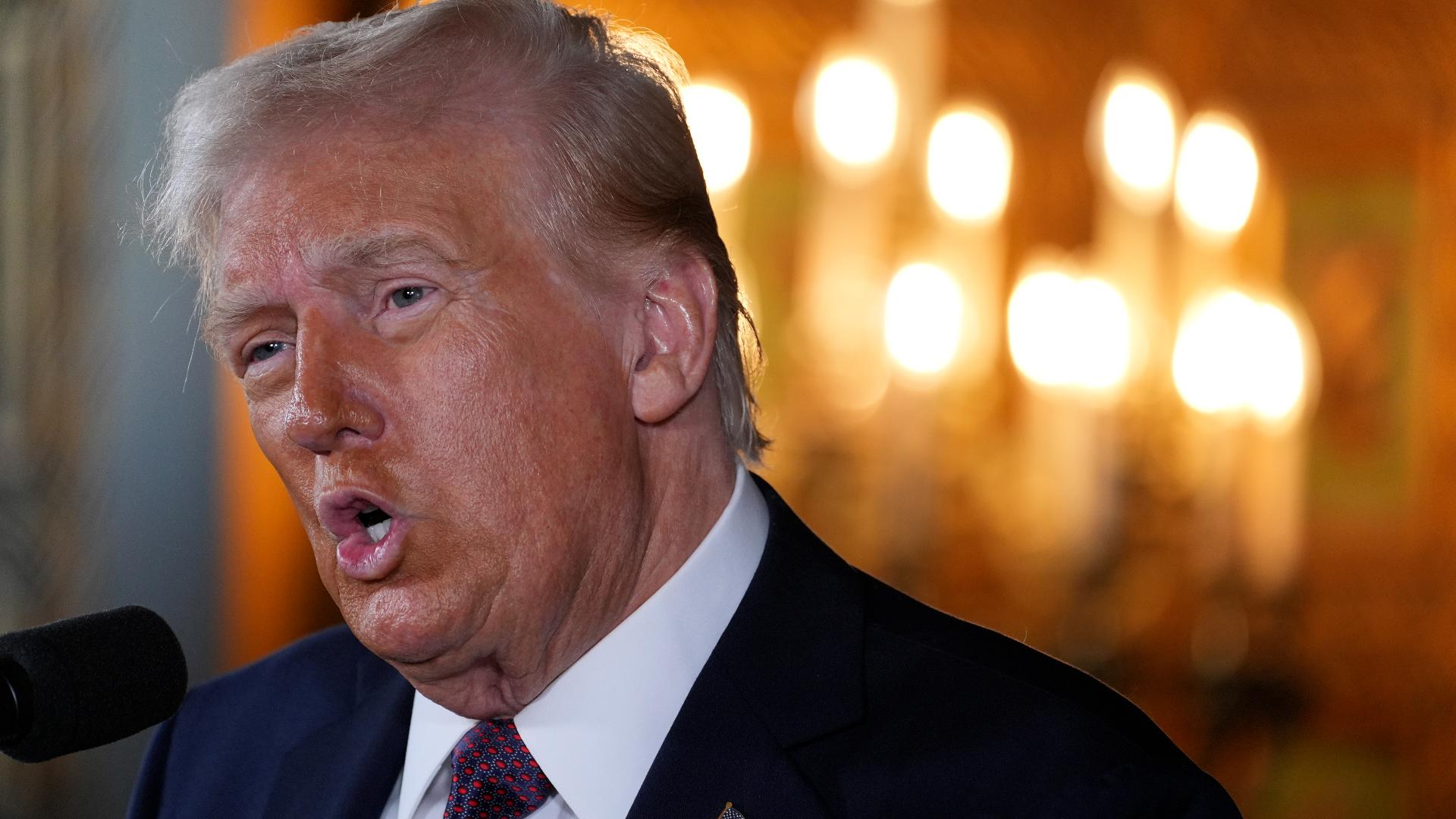
At the same time, the move carries risks. Publicly pursuing a controversial idea could heighten tensions with allies, undermine trust in international relationships, and lead to unpredictable diplomatic consequences. Many experts warn that while Greenland’s strategic value is real, a confrontational or unconventional approach could prove counterproductive, making it harder for the United States to build consensus with its partners.
In summary, Donald Trump’s renewed assertion of an intention to control Greenland highlights his continued preference for a hardline and unconventional foreign policy style. While it remains unclear whether these statements will translate into concrete action, they have already stirred global debate and raised fresh questions about the future of relations between the United States, Europe, and the Arctic region.