
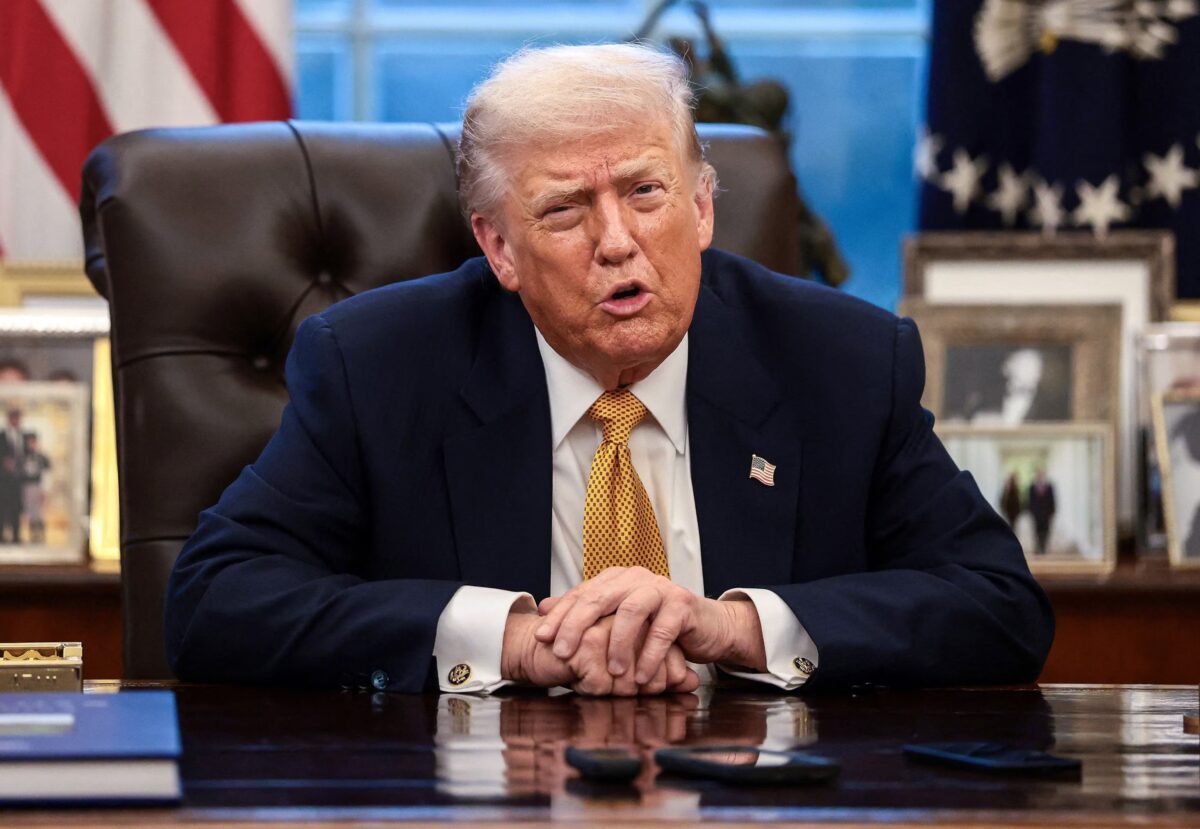
The latest decision by U.S. President Donald Trump has sent shockwaves through transatlantic relations, as Washington announced additional tariffs on eight allied countries within NATO. The move is justified by the White House as a measure to exert pressure after several European nations jointly opposed U.S. plans related to Greenland—a territory of major strategic importance in the Arctic.
According to the announcement, the affected countries include Denmark, Norway, Sweden, France, Germany, the United Kingdom, the Netherlands, and Finland. A supplementary 10% import tariff will be applied to a range of key goods and is expected to take effect in the near term. The U.S. administration argues that the collective response from these nations runs “counter to Washington’s long-term strategic interests,” particularly amid intensifying geopolitical competition in the Arctic region.
Greenland has long been on Washington’s strategic radar due to its control over emerging Arctic shipping routes and its vast, largely untapped natural resources. In recent years, the United States has expanded its military and diplomatic presence there. However, efforts to broaden America’s role in Greenland have faced strong resistance from Denmark—the territory’s administering state—along with other European allies, who insist that any change in status must comply with international law and respect the will of the local population.
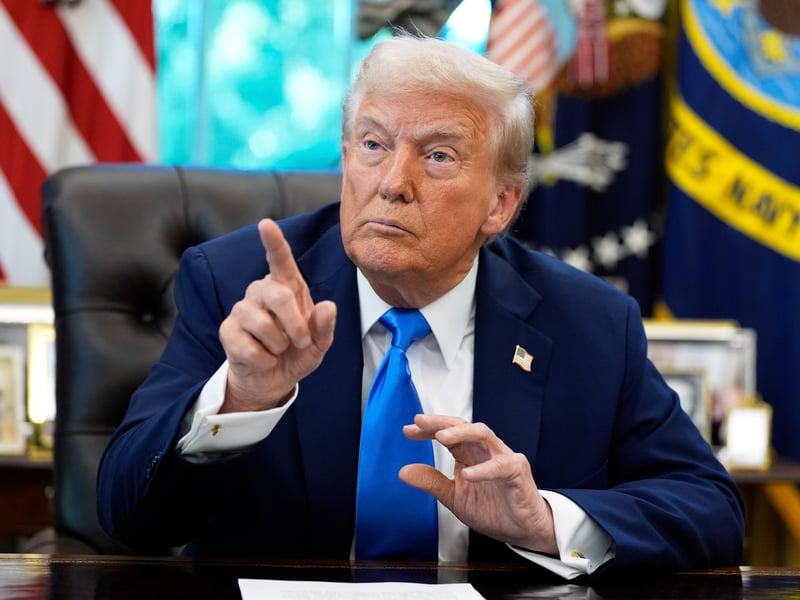
Using tariffs as a political instrument is not new during Trump’s presidency. In the past, he has imposed duties on both rivals and allies to rebalance trade or force concessions in negotiations. This time, however, the targets are America’s closest security partners, raising concerns among analysts about a potential deepening rift within NATO.
European governments have voiced “serious concern,” warning that punitive trade measures could undermine strategic trust and cause economic harm on both sides of the Atlantic. Some leaders have signaled the possibility of proportional countermeasures if Washington does not reconsider. Meanwhile, business groups fear disruptions to transatlantic supply chains, particularly as the global economy continues to face uncertainty.
Analysts note that the dispute over Greenland goes beyond territorial considerations, reflecting a broader struggle for influence in the Arctic among major powers. While Trump’s tariff decision may provide short-term leverage for the United States at the negotiating table, it raises long-term questions about NATO cohesion and Washington’s leadership role in the international order.