
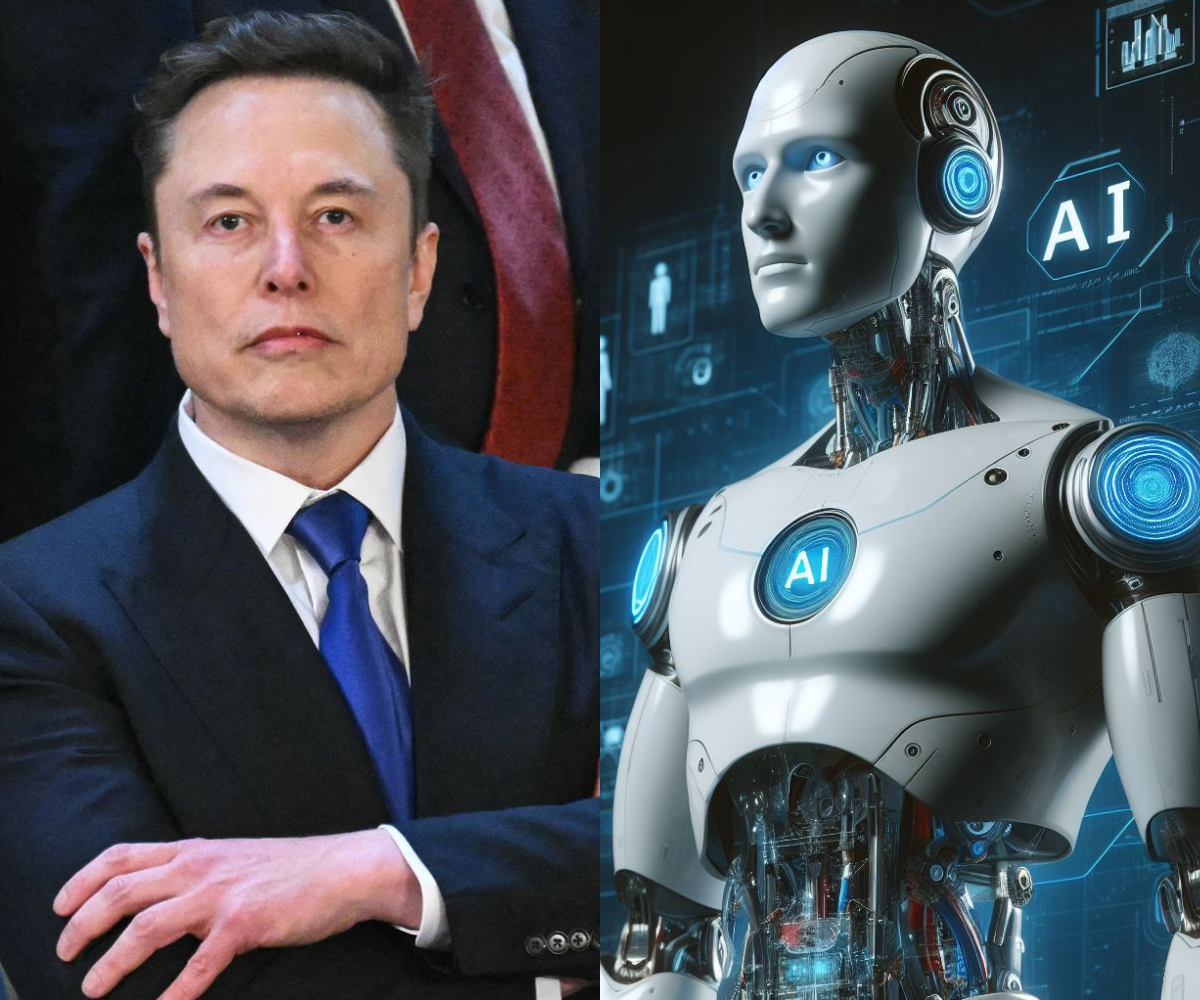
For decades, work has been more than just a way to earn a living. It has shaped identity, social status, and a sense of purpose. But as artificial intelligence advances at an unprecedented pace, a deeply unsettling question is emerging: what happens when the world no longer needs humans to work in order to function?
Today’s AI systems have moved far beyond the role of simple assistants. They write text, design images, generate code, analyze data, diagnose medical conditions, optimize logistics, and even support strategic decision-making. What truly changes the game is not that AI can perform individual tasks, but that it learns rapidly, improves continuously, and never gets tired. As a result, the very idea of “human jobs” is beginning to feel unstable.
Several technology leaders, including Elon Musk, have warned that AI will not only replace manual labor, but also intellectual work once considered secure. Accountants, lawyers, journalists, programmers, analysts—professions that traditionally require years of education—are increasingly exposed to partial or even full automation.
What makes this shift especially alarming is not the prediction itself, but the timeline. Unlike previous industrial revolutions that unfolded over decades, this transformation may happen in just a few years. Companies no longer need to wait for some distant future. Many are already restructuring operations, reducing staff, and moving toward “AI-first” models where humans play supervisory or supportive roles rather than central ones.
The greatest risk, however, is not mass unemployment—it is a crisis of identity. When work disappears, how will people define themselves? For much of modern history, the question “What do you do for a living?” has effectively meant “Who are you?” A world where AI performs most tasks forces society to confront a deeper question: what is human value when labor is no longer required?
Some argue that AI will liberate people from exhausting or repetitive work, ushering in an era of creativity, learning, and personal fulfillment. But reality may be far more complex. Not everyone is prepared for a life without work. For many, jobs provide structure, purpose, and a sense of being needed. When that structure vanishes, emptiness can emerge just as quickly as comfort.
Society is also poorly prepared for this transition. Education systems continue training people for roles that may soon disappear. Social safety nets, universal basic income, and fair distribution of AI-generated wealth remain unresolved policy challenges. Without timely adaptation, economic inequality and social instability could worsen dramatically.
AI is not an enemy. It is a product of human intelligence itself. Yet its rapid evolution is forcing us to face an uncomfortable truth: the world may soon operate without relying on most human labor. When that happens, the greatest challenge will no longer be technological or economic—but how humans rediscover meaning in a post-work era.