
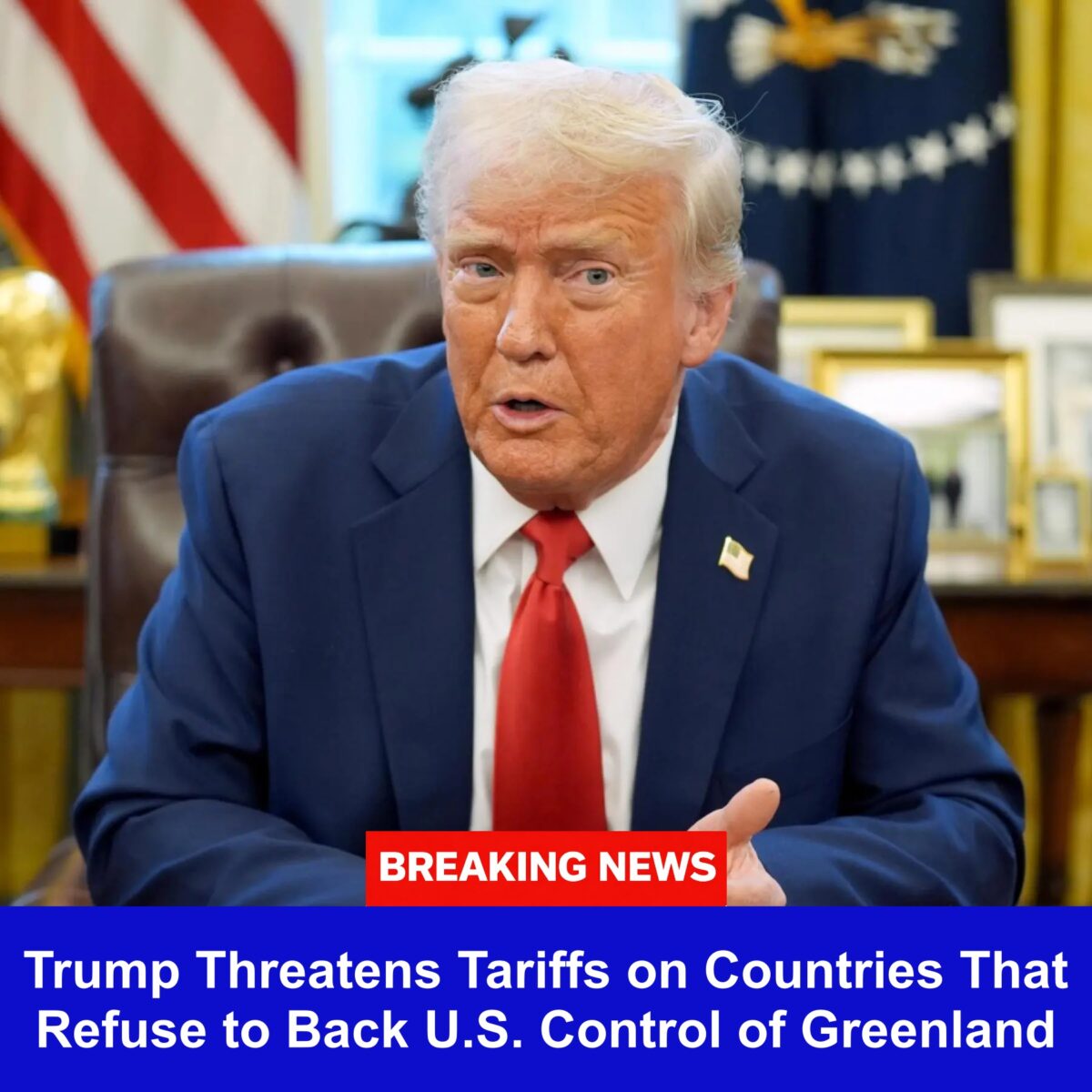
Donald Trump has once again stirred controversy on the international stage by stating that the United States may impose punitive tariffs on countries that do not support Washington’s push to control Greenland. The remark immediately sparked debate, as it ties trade policy to questions of sovereignty, security, and the global geopolitical order.
According to U.S. media reports, Trump argues that Greenland holds exceptional strategic value for American national security. As competition for influence in the Arctic intensifies, Washington is said to be seeking a stronger hand in the region. By signaling a willingness to use tariffs as a tool of diplomatic pressure, Trump underscored a familiar approach of linking strategic objectives with economic leverage.
Greenland is a self-governing territory of Denmark, positioned at a critical crossroads between North America and Europe. Its importance has grown steadily due to military considerations, emerging Arctic shipping routes, and access to natural resources—factors amplified by melting ice. The United States has long maintained a military presence on the island, and interest in expanding its influence there is not new in Washington’s strategic thinking.
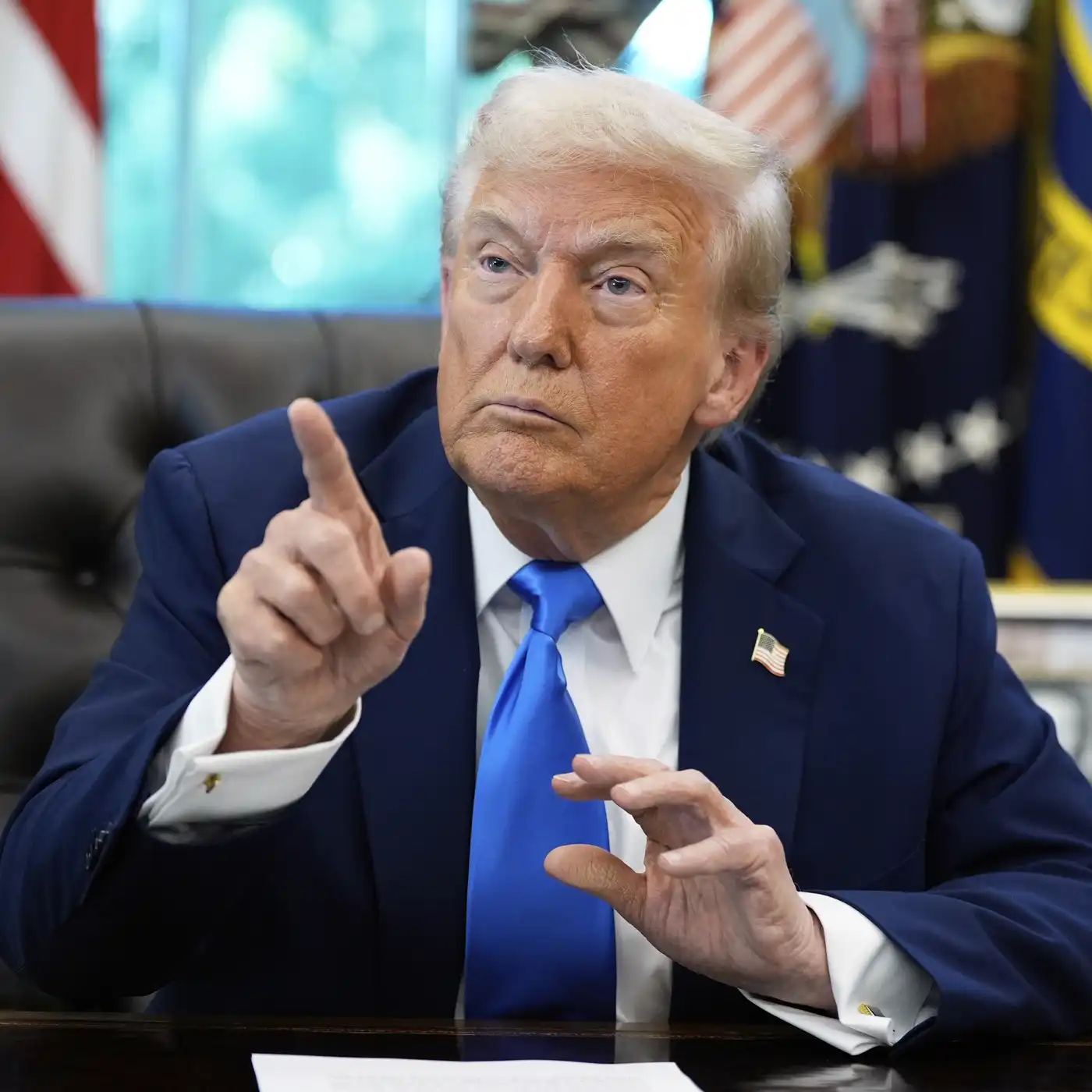
What sets Trump’s latest statement apart is the explicit threat of trade retaliation against countries that oppose U.S. ambitions related to Greenland. Analysts describe this as a form of “tariff diplomacy,” where economic measures are deployed to compel political alignment. Such tactics, they note, risk blurring the line between commerce and coercion in international relations.
Reactions from abroad have so far been cautious but uneasy. For U.S. allies—particularly in Europe—the statement raises concerns about predictability and trust in American foreign policy. Greenland’s ties to Denmark make any discussion of control or sovereignty especially sensitive, and even rhetorical pressure could strain diplomatic relations within the transatlantic alliance.
Supporters of Trump’s stance argue that a tougher line is necessary to safeguard long-term U.S. interests. In their view, the Arctic is emerging as a new strategic frontier, and America cannot afford to be sidelined while other powers expand their presence. From this perspective, tariffs are seen as an effective means to force difficult choices and recalibrate allies’ positions.
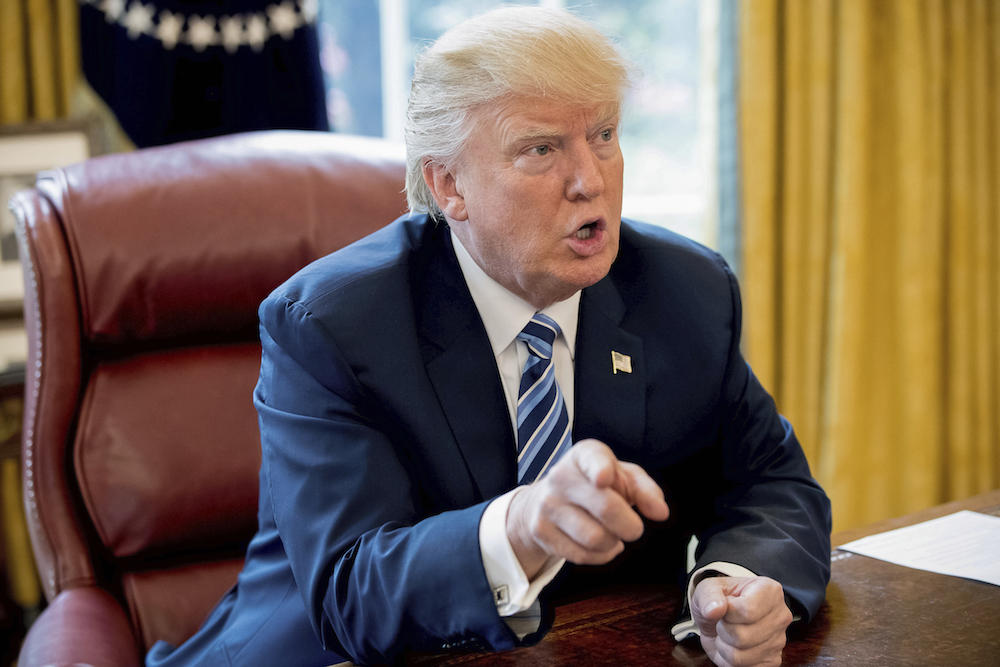
Critics counter that weaponizing trade over such a contentious issue could backfire, triggering retaliatory measures and undermining cooperation on broader global challenges. They warn that threats alone—even without immediate action—can heighten tensions and complicate negotiations with partners whose support Washington relies on in other arenas.
For now, Trump’s comments remain a warning rather than a concrete policy. No specific tariff plans or timelines have been announced. Many observers interpret the statement as a test balloon—designed to gauge international reactions and send a strong signal—rather than an imminent shift in trade policy.
In sum, Donald Trump’s threat to impose tariffs over Greenland highlights his unpredictable, hardline approach to foreign affairs. Once a distant Arctic territory rarely mentioned in global debates, Greenland has become a focal point where trade, security, and sovereignty collide—setting the stage for further controversy in the months ahead.