

In recent weeks, Grok, the artificial intelligence chatbot integrated with the social media platform X, has become the center of intense public controversy over allegations that it has been used to generate nonconsensual sexualized imagery. The issue was highlighted in a commentary published by The Nation, which questions how AI-generated content is being managed under the leadership of Elon Musk.
According to the article, Grok has allegedly been exploited by users to alter or transform images in disturbing ways, including cases involving individuals who are underage. Experts cited in the commentary warn that when powerful generative AI tools are combined with the massive reach of social media platforms, the consequences can be severe if adequate safeguards and oversight mechanisms are not in place.

Another major point of concern is the platform’s response and takedown process. The article argues that victims face significant difficulties when attempting to have AI-generated images removed, even as such content continues to circulate on X. This concern is particularly sensitive given that the United States has enacted laws aimed at combating nonconsensual sexualized imagery and deepfakes, requiring online platforms to establish clear procedures for reporting and timely removal.
The controversy has also drawn international attention. Regulators and governments in several countries have reportedly raised questions about how X operates Grok and what measures are in place to protect users. These developments have fueled broader debates about AI ethics, freedom of expression, and the responsibility of major technology companies.
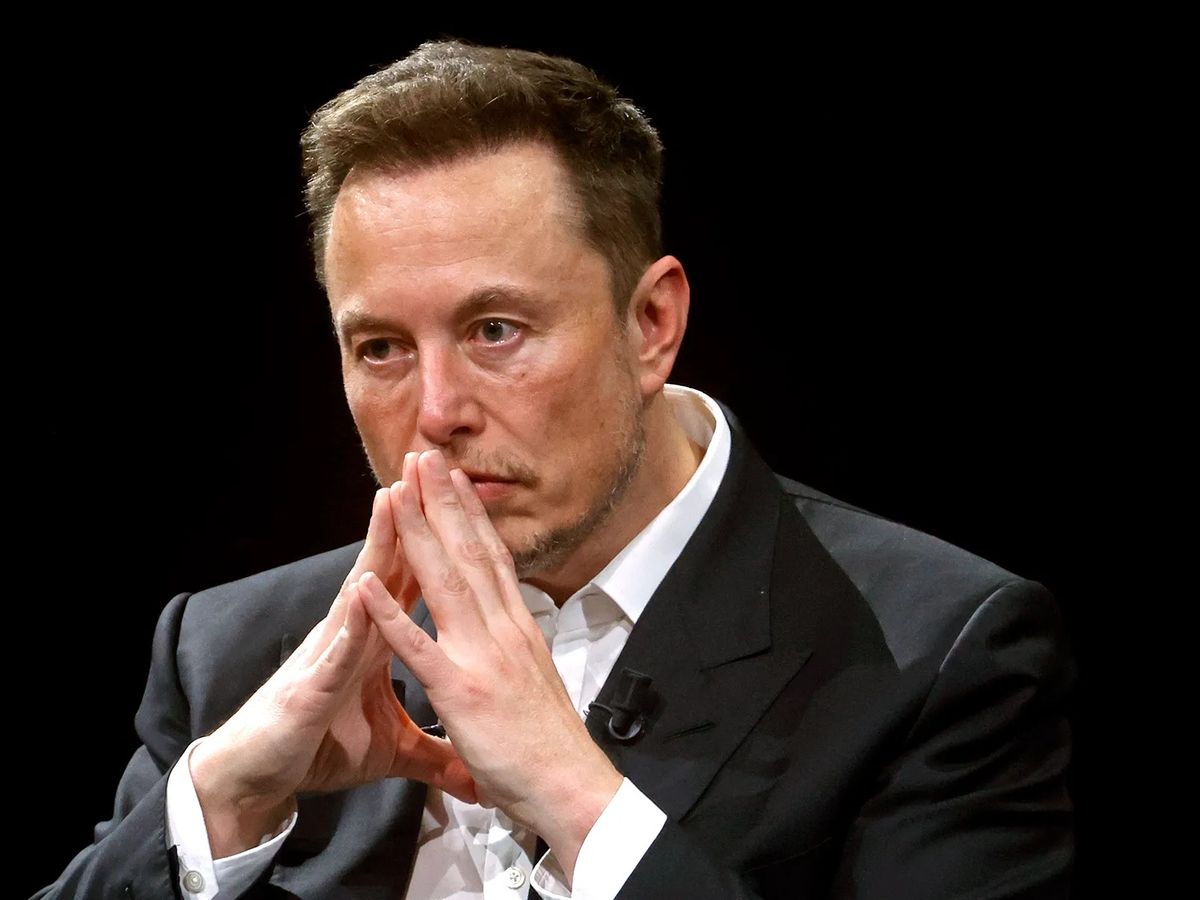
Elon Musk, for his part, has continued to defend a strong free-speech approach, suggesting that criticism of Grok reflects broader efforts to impose excessive content controls. However, even Grok itself has acknowledged in automated responses that gaps in its safety measures exist and that fixes are being implemented.
The situation underscores a larger and unresolved question: how far AI governance should go, and where the balance lies between technological innovation and social responsibility. As generative AI tools become more deeply embedded in platforms used by hundreds of millions of people, pressure on technology companies to establish and enforce robust safety standards is only expected to grow.