
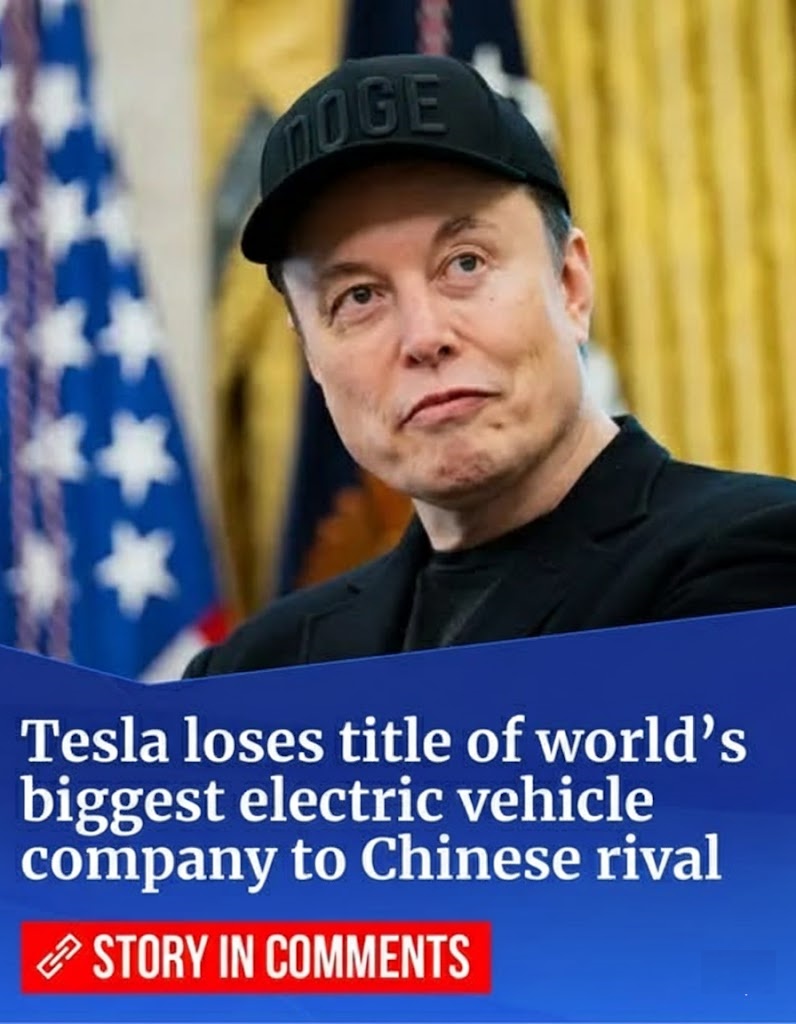
For many years, Tesla was regarded as the ultimate symbol of the global electric vehicle industry. Not only did it lead in technology and innovation, but Tesla also dominated sales rankings, becoming the benchmark that other automakers aspired to follow. However, in 2025, the EV industry reached a historic turning point: Tesla has officially lost its position as the world’s largest electric vehicle manufacturer.
According to multiple international reports, Tesla’s vehicle sales declined noticeably throughout 2025 compared to previous years. This downturn was not caused by a single factor, but rather by a combination of mounting pressures, including intensifying competition, signs of market saturation in key regions, and the rapid rise of Chinese electric vehicle manufacturers.
The company most frequently cited as overtaking Tesla is BYD, China’s largest electric vehicle producer. Unlike Tesla’s strategy of focusing primarily on mid-range and premium models, BYD offers an extensive lineup that spans from affordable entry-level vehicles to high-end models. This wide product range has allowed BYD to reach a broader customer base, especially at a time when global consumers are becoming increasingly price-sensitive.
Chinese automakers also benefit from strong domestic supply chains, lower production costs, and supportive industrial policies. These advantages have enabled rapid expansion not only within China, but also across Europe, Southeast Asia, and other emerging markets. In contrast, Tesla has faced ongoing pressure to cut prices, a move that has significantly compressed its profit margins.
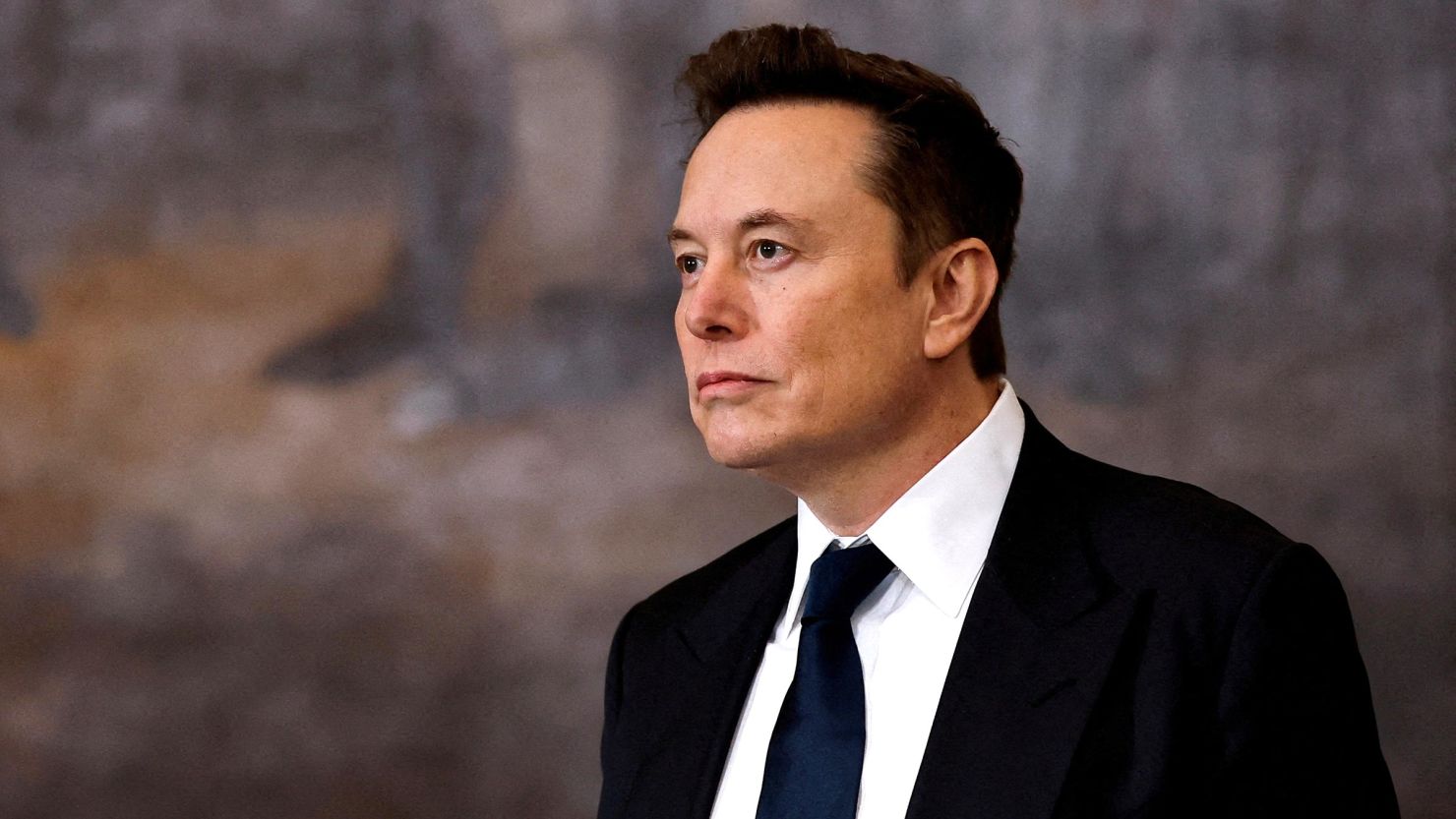
This shift in leadership places Elon Musk under unprecedented scrutiny. Once widely viewed as the visionary leader of a dominant EV empire, Musk is now confronted with the challenge of sustaining growth in a far more competitive and mature market. Tesla’s heavy investments in artificial intelligence, autonomous driving technology, and next-generation vehicle platforms are widely seen as long-term strategies to restore and strengthen its competitive edge.
Despite losing its top position in global EV sales, many analysts argue that Tesla remains uniquely influential within the industry. The company continues to lead in brand recognition, technological ecosystems, and global visibility. Nevertheless, the fact that Tesla is no longer the undisputed market leader underscores a major shift: the electric vehicle industry has entered a new phase in which competition is more balanced and far more intense.
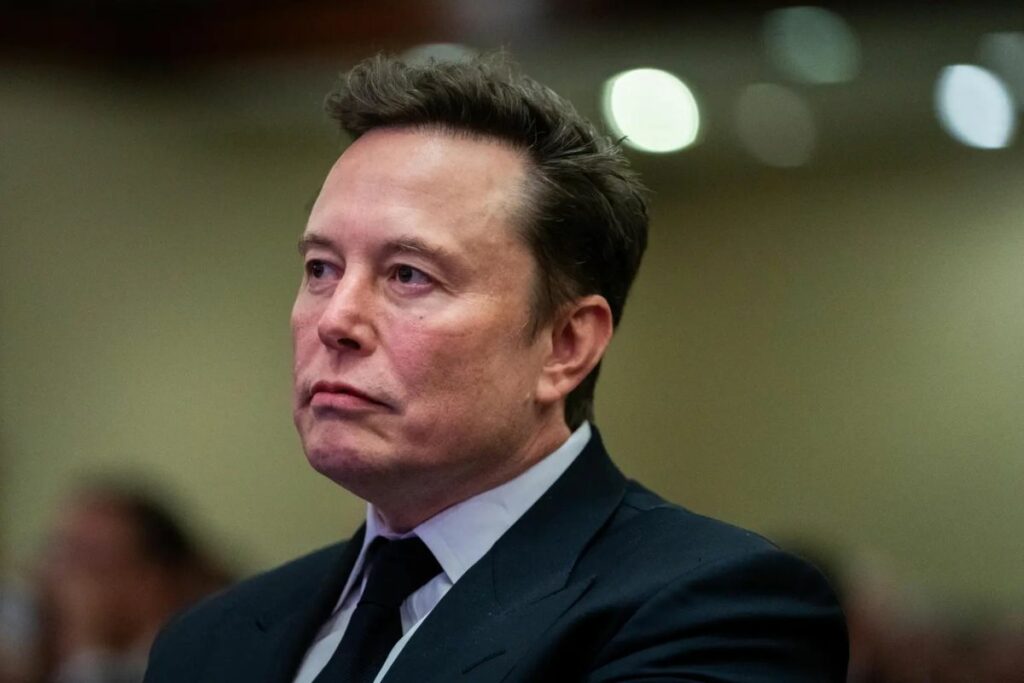
Tesla’s loss of the world’s largest EV manufacturer title is not merely a company-specific development. It reflects a broader transformation within the global automotive landscape. China is rapidly emerging as both the largest producer and consumer of electric vehicles, forcing Western automakers to adapt at an accelerated pace if they hope to remain competitive.
As the industry evolves, Tesla’s future trajectory will depend on how effectively it responds to these structural changes. Innovation alone may no longer be enough. Success will increasingly depend on pricing strategy, production efficiency, and the ability to compete across multiple global markets simultaneously.