
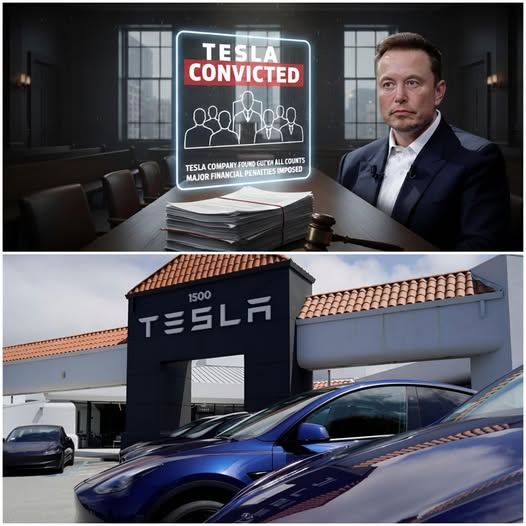
Tesla has once again found itself at the center of controversy, as the company’s marketing of its Autopilot and Full Self-Driving (FSD) systems is being accused of potentially misleading consumers. U.S. regulators have begun reviewing the matter, reigniting concerns over the fine line between promoting advanced technology and ensuring road safety.
For years, Tesla has positioned itself as a pioneer in bringing advanced driver-assistance systems to the mass market. However, the way these features are named and promoted has consistently drawn criticism. Terms such as “Autopilot” and “Full Self-Driving” are seen by critics as suggesting a level of autonomy that the vehicles do not yet fully possess. In reality, these systems still require drivers to remain attentive and ready to take control at all times.
Regulatory agencies argue that such marketing language may create a false sense of security for drivers. According to safety experts, when users believe their vehicles are capable of fully autonomous operation, they may become less vigilant, increasing the risk of serious accidents. These concerns are heightened by past crashes that have reportedly involved improper use or misunderstanding of Autopilot features.

Tesla has repeatedly defended its approach, emphasizing that the company provides clear warnings instructing drivers to keep their hands on the steering wheel and stay alert while using its driver-assistance systems. The automaker maintains that users are responsible for following these guidelines and that no current technology is without limitations. Nonetheless, critics counter that these warnings are often overshadowed by branding and marketing terms that strongly imply full autonomy.
The latest regulatory scrutiny does not only reflect pressure on Tesla, but also highlights a broader issue facing the automotive and autonomous driving industry as a whole. As companies race to innovate and gain market share, aggressive marketing can blur critical distinctions for consumers. This has raised a key question for regulators and manufacturers alike: how can groundbreaking technology be promoted without overstating its real-world capabilities or downplaying potential risks?
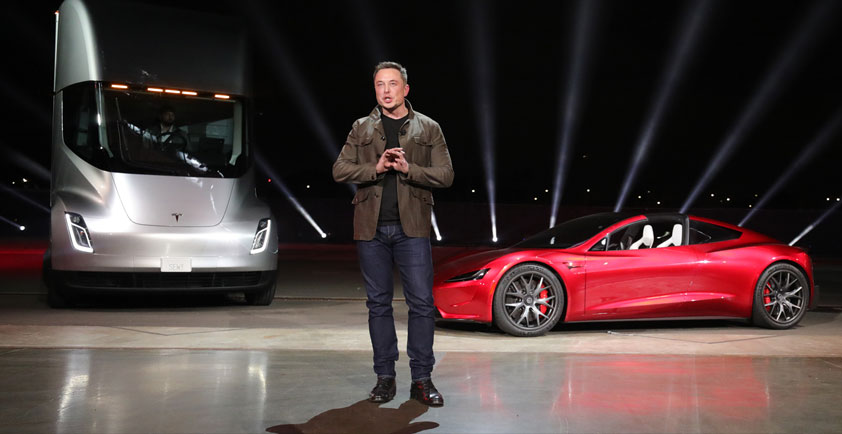
Despite the ongoing controversy, Tesla continues to attract strong interest from investors. At various points, the company’s stock has shown resilience, signaling market confidence in Elon Musk’s long-term vision and in future projects such as robotaxi services. However, analysts caution that investor optimism cannot replace legal and ethical responsibility toward public safety.
This episode is increasingly viewed as a critical test for Tesla—and a warning sign for the entire industry. As the boundary between driver assistance and full automation becomes more blurred, transparency in communication and marketing is no longer optional. Clear, accurate messaging is essential to ensure consumers understand both the benefits and the limitations of emerging vehicle technologies, ultimately protecting drivers, passengers, and everyone on the road.