
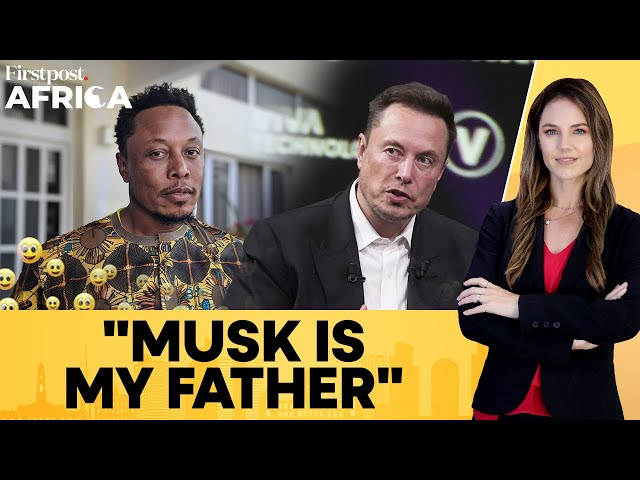
In recent days, social media has been buzzing with a story that has left many readers both intrigued and quietly puzzled. A Kenyan man, said to be around 40 years old, shared an image online while claiming he is Elon Musk’s firstborn son, publicly calling on the billionaire to take a DNA test to confirm the alleged family connection.
According to the claim, Elon Musk supposedly met the man’s mother in the Masai Mara region in the early 1990s, leading to his birth. The post spread rapidly, drawing attention partly because it involves one of the world’s most famous tech figures, and partly because some of the details sound unusual enough to make readers pause and reread.
What quickly became the focus of online discussion was not the DNA request itself, but the timeline. If the man is indeed about 40 years old, the dates suggest Elon Musk would have been in his early teens at the time. This detail alone prompted many users to look twice at the story, unsure whether they had misunderstood something.
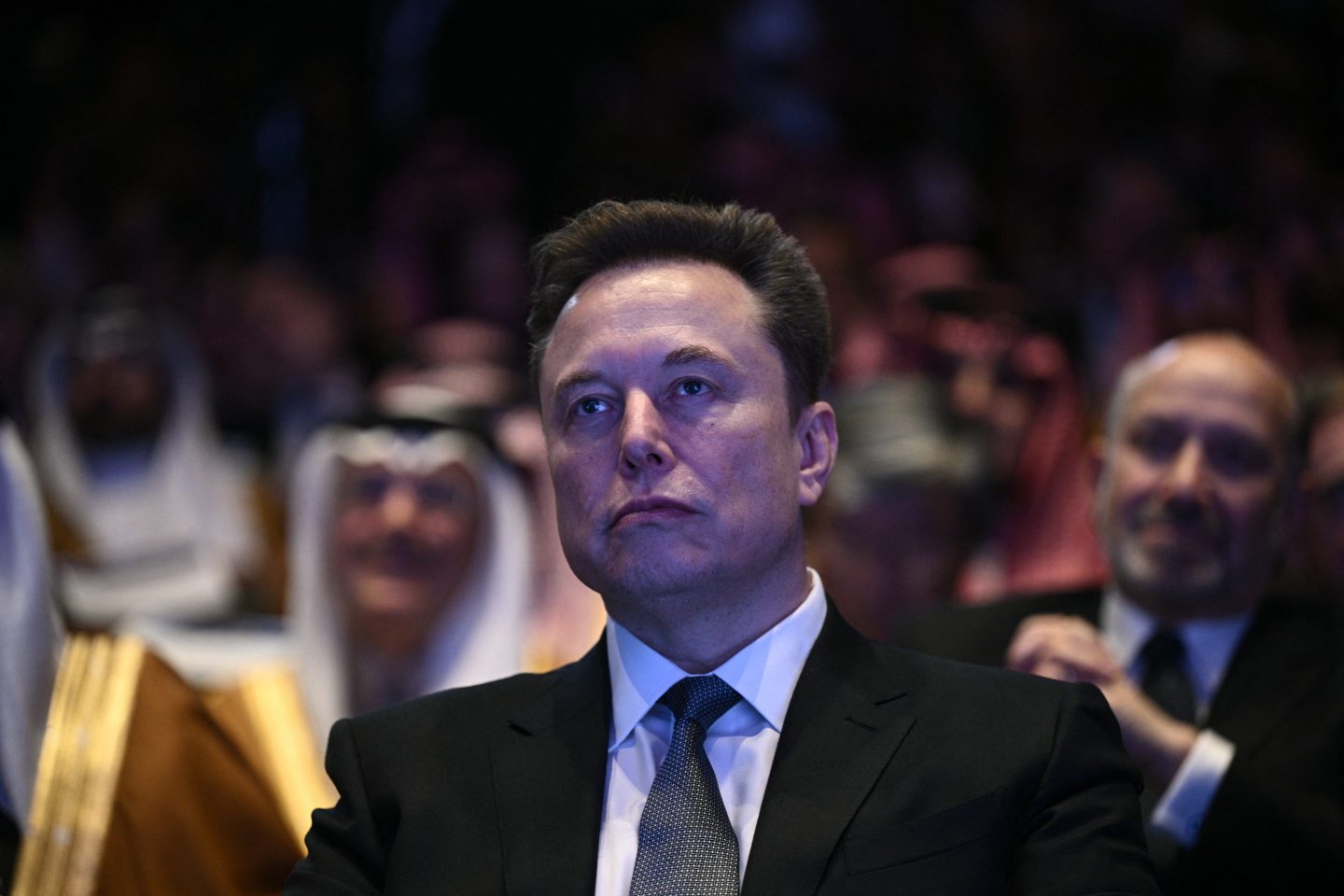
The image shared alongside the claim also fueled debate. Some commenters noted perceived facial similarities, while others pointed out that the photo didn’t quite look like a typical photograph. Before long, speculation surfaced that the image could be AI-generated, especially after similar-looking visuals were reportedly spotted on foreign websites well before this post went viral.
So far, no concrete evidence has been provided beyond the personal statement. No documents, no medical records, and no official verification have accompanied the claim. As a result, the story continues to circulate largely as a subject of discussion rather than confirmed news.
Elon Musk, for his part, has made no public comment. For longtime observers, this silence is not surprising. Over the years, Musk has been linked to various internet rumors — many of them unusual — most of which faded away once they failed to produce credible proof.

Media analysts note that this episode highlights a familiar pattern of the social media age: a sensational personal claim, an eye-catching image, and just enough ambiguity to keep people talking. Whether true or not remains unclear, but the attention it has generated is undeniable.
Until a DNA test is actually conducted or reliable sources step in to verify the story, the claim remains an unresolved social media narrative. Whether it will eventually be clarified — or simply disappear as the internet moves on — remains to be seen.