
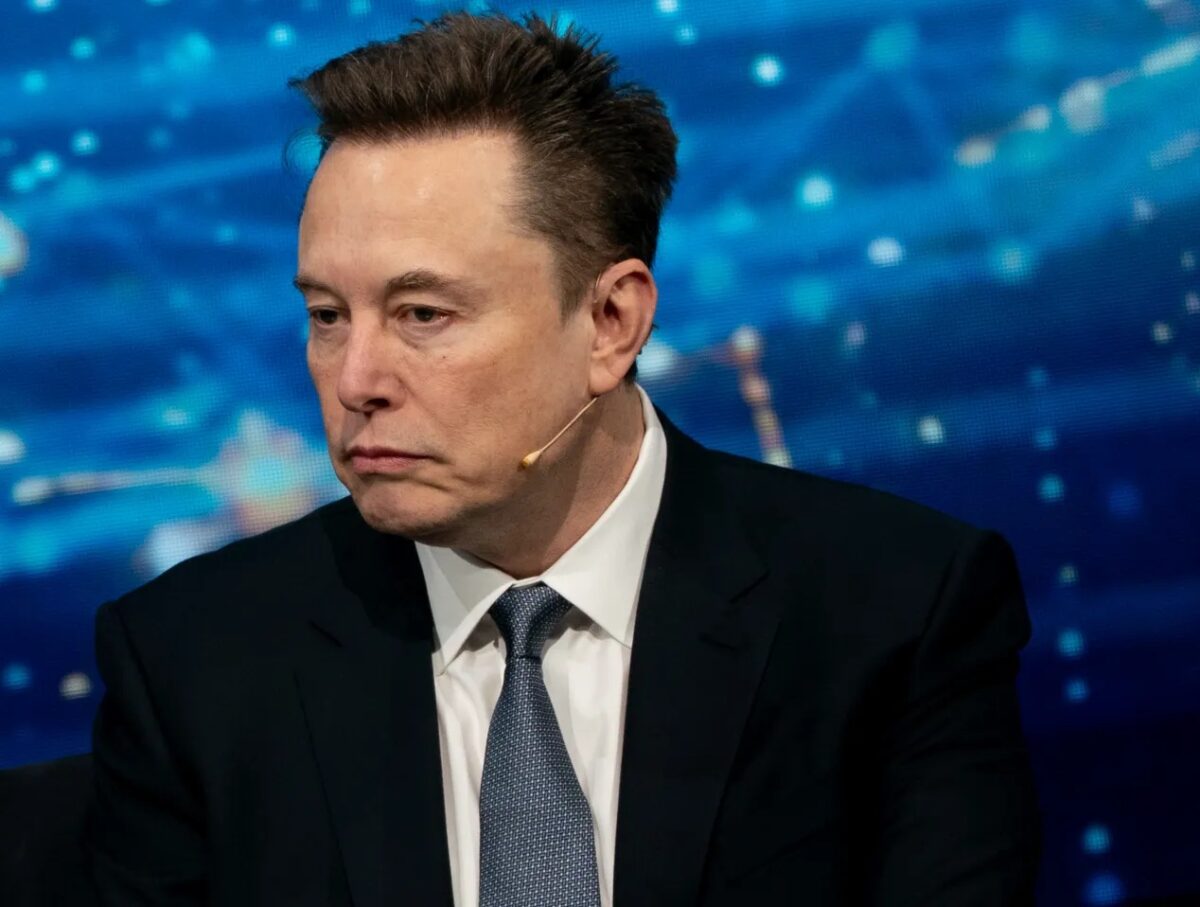
Elon Musk’s charitable foundation has once again become the center of controversy after major U.S. outlets, including The New York Times, released data showing that the fund has grown to nearly $14 billion but has made virtually no significant grants to outside organizations for four consecutive years. Owning a charity of such magnitude yet spending almost nothing has put Musk under heavy public scrutiny.
According to reports, most of the foundation’s value comes from the Tesla shares Musk donated in previous years, particularly during the period when he sold off stock to acquire the social media platform X. As Tesla’s stock price surged over time, the value of the foundation automatically ballooned by billions, even though its actual charitable activity remained minimal. This has led some analysts to argue that the $14 billion figure mainly reflects value “on paper,” while its real-world philanthropic impact is extremely limited.
Large charitable foundations typically distribute regular grants to support education, healthcare, scientific research, or nonprofit organizations. However, as noted by The New York Times, Musk’s foundation has consistently kept its funds idle, showing little sign of the active philanthropy often expected from a major charity. This raises an important question: What is the foundation’s true purpose, and why has such an enormous resource remained unused for years?
Some financial experts suggest that holding assets without distributing them may be tied to legal and tax structures. For many American billionaires, transferring shares into a charitable foundation reduces their tax burden, but the law does not require immediate disbursement of those funds. This loophole allows a foundation’s assets to grow to massive proportions while contributing minimally to society for extended periods.
Supporters of Musk argue that charitable spending should be strategic, especially since Musk often focuses on long-term, high-impact areas such as clean energy, safe artificial intelligence, and STEM education. They believe that once the appropriate projects reach the right scale or maturity, the foundation will begin distributing funds in a meaningful and transformative way rather than through small, scattered donations.
However, the fact that the foundation has made no major grants for four consecutive years is difficult to overlook. Social advocates argue that a charity of this scale—especially one associated with the world’s richest person for many years—should operate with more transparency and clearer goals.
As the world confronts pressing issues like climate change, poverty, education gaps, and humanitarian crises, keeping such an immense pool of resources inactive only amplifies the controversy. The debate now extends beyond Musk himself to a broader question about how billionaires use their wealth under the banner of philanthropy.
The key question remains: Will Musk continue this strategy of holding funds, or will the foundation shift course and demonstrate a more visible charitable impact in the coming years? Given Musk’s unpredictable nature and nontraditional approach to nearly everything he does, the answer remains uncertain. What is certain is that public attention will continue to follow this issue closely, especially as the foundation’s value has reached a scale too large to ignore.